Get Full Government Meeting Transcripts, Videos, & Alerts Forever!
Get email alerts on the Solid Waste Landfill topic
No spam. Unsubscribe anytime.
Lakeville landfill running at a subsidy; trustees weigh retained earnings and future options
Summary
Board hears landfill budget shortfall driven by recycling market losses and trash bag program costs; options discussed include using retained earnings, outsourcing, privatization, or eventually closing the landfill.
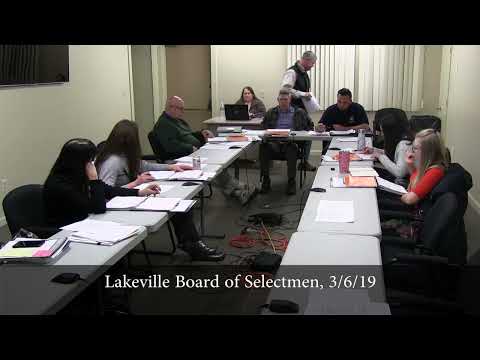
Selectmen reviewed the proposed FY2020 landfill budget at the March 6 meeting, where town staff flagged a planned $125,000 budget that would be subsidized from multiple sources and described ongoing pressures from recycling market changes and trash bag program costs.
Franklin and other town officials described the FY2020 plan as a $125,000 cost for the landfill operation funded by a $105,000 transfer from the general fund plus $20,000 drawn from landfill retained earnings. Officials noted retained earnings are currently about $200,000 and that the landfill has been subsidized from the general fund for several years.
Board members and staff debated the town’s role in operating a landfill in light of rising disposal and recycling costs. Recycling market shifts, especially since China’s policy changes, have increased disposal costs for materials the town previously recycled, and Franklin said some materials that used to be revenue sources now require payment for disposal. The board discussed whether the town should continue operating the landfill as an in‑house department, move to enterprise fund accounting, privatize the service, or pursue outsourcing for specific tasks.
The town’s sticker and special bag program also featured prominently. Residents must purchase special landfill bags (examples discussed: “large” bags sold in 5‑packs for $10), and Franklin said the FY2020 budget includes about $15,000 for bags in one line item; price per case for large bags in the discussion was roughly $43 per case. The board reviewed recent turnover of vendor remittances and suggested the town may not need to tap retained earnings as much as previously forecast, depending on receipts between now and budget adoption.
Other operational details in the presentation: the transfer station has added another part‑time laborer to maintain safe staffing levels when employees are operating equipment; trash bag sales and sticker receipts are recorded to specific revenue lines (C and D in the landfill revenue schedule); and the town continues to weigh a previously considered solar farm at the landfill site — Franklin said Middleborough Gas and Electric has delayed a landfill solar project as not economically feasible at present.
Board members repeatedly returned to the central policy question: does the town want to continue subsidizing the landfill and carrying the operational burden? Several selectmen warned the subsidy has grown over time and could require substantially larger general‑fund transfers if usage declines or disposal costs rise. Options discussed included increasing sticker or bag prices, outsourcing collection and disposal, privatization of services, or using retained earnings selectively to smooth the FY2020 impact.
Ending: The board kept the landfill budget on the table for the FY2020 budget, asked staff to refine revenue and retained‑earnings projections, and placed broader policy questions about privatization and long‑term sustainability on a future agenda.