Get Full Government Meeting Transcripts, Videos, & Alerts Forever!
Get email alerts on the Community Events topic
No spam. Unsubscribe anytime.
Town begins cleanup of former haunted-house site as volunteers, prospective operators propose revival
Summary
After months of little response from the prior operators, the Town of Lakeville has begun removing hazardous materials and ordering legal review of property and stored items at the former haunted-house site; volunteers and at least two prospective operators said they may reopen the attraction if safety and ownership issues are resolved.
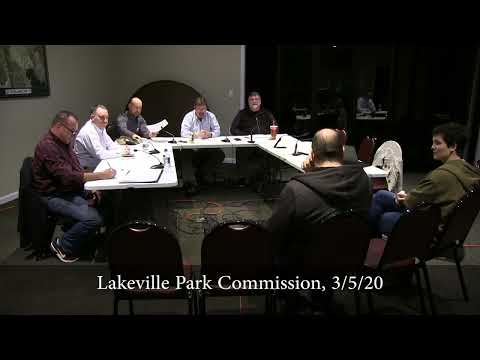
Town of Lakeville officials said the parks department has started cleaning up the site of the former community haunted-house attraction after what the commission described as more than a year of neglect that left the building and grounds a safety hazard.
The Parks Commission said it sent two 30-day notices and extensions to the prior organizers with no effective cleanup, and commissioners began removing rotted wood and trash from the property. Commissioners and staff estimated the town has spent more than $2,000 on dumpsters and labor so far and said an outstanding electric bill for the site will be paid by the town while the legal ownership of props and stored items is resolved.
Why it matters: the haunted house has been a multi-night fundraising and community event for years. Neighbors and former volunteers told the commission the site had become an eyesore and a safety risk, with children climbing on deteriorating roofs, while volunteer operators and two prospective private operators said they want to restore the attraction if the town and permitting agencies will allow it.
At the meeting two men who identified themselves as interested in reviving the event described different approaches. “I’ve been there 12 years… I didn’t want to see it die,” one prospective operator said, explaining he had secured a donation of a 30‑yard dumpster from his employer and volunteer labor to remove outside debris if the commission would permit it. Mike McGarrick, who said he has experience running large seasonal attractions, told the commission he could supply crews and advised the group on permits and code upgrades needed to reopen safely.
Commissioners said the building inspector and the local Board of Health must clear any plan to resume on-site indoor activity; the commissioners said earlier inspections had identified the structure as a fire and safety hazard and that any future use would likely need modern electrical work and compliance with current fire codes (including sprinkler or low-voltage systems and inspected outdoor electrical runs).
Town staff told the commission they will forward documentation of the cleanup and the prior notices to the town’s legal office. Legal staff, the commission said, will first attempt to contact the former organizers to give them an opportunity to reclaim or reimburse for stored property; if claimants do not respond, the town’s lawyers will advise on disposition. Commissioners also agreed the town would pay the outstanding electric invoice for the site to avoid an open utility account; if a new operator takes over, the commission said the town will seek reimbursement where appropriate.
Commissioners encouraged the prospective operators to prepare a written proposal outlining what they would do, how they would address building and fire-code work, and how they would share revenue or reimburse the town for cleanup costs. Commissioners said any reopening would require signoff from the building inspector and the fire department and could be structured as a town partnership, a rental agreement, or an outside for‑profit operation depending on the legal review.
The commission closed the discussion by asking staff to collect: the chain of prior correspondence with the prior organizers, receipts and documentation for cleanup costs, the utility account details, and any insurance or contract records. Legal staff will contact the prior organizers as a first step before the town disposes of or reassigns stored items.
Ending: Residents and several former volunteers told the commission they want the attraction back; the commission said that outcome is possible but will depend on resolving ownership, meeting building and fire-safety requirements, and deciding whether reuse will be a town-partnered event or a private operation.