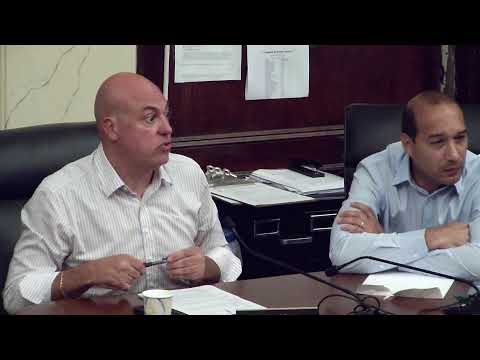
Business owners and residents press council to pause automated enforcement pilot on Washington Street
Loading...
Summary
A planned pilot to use cameras for automated enforcement of bike-lane and bus-stop violations on Washington Street drew lengthy public comment and split council reaction; supporters cited camera data on daily violations, while local business owners and residents warned of harm to mom-and-pop businesses and accessibility problems.
A proposed pilot program to use automated cameras for enforcement of existing parking and stopping rules on Washington Street was the subject of intense public comment and council debate Tuesday.
Supporters and data: Andrew Wilson, executive director of Bike Hoboken, told the council the cameras enforce long-standing laws and cited early data: “Each camera recorded on average 68 bike lane violations and a 158 bus stop violations per day,” he said, and argued that clearing lanes improves safety and bus reliability. Wilson cited outcomes from other municipalities and a memo from a city director describing the plan’s scope.
Business and resident concerns: Multiple Washington Street business owners warned the cameras would deter short stops and hurt local commerce. Ernie Reyes, owner of Ace Hardware, said his family business has served the block since 1978 and warned enforcement would “kill Washington Street” by discouraging customers and increasing delivery and operating costs. Other speakers described difficulties for people with limited mobility who rely on curb-side stops to unload groceries or drop off elderly relatives.
Council discussion and process questions: Council members debated whether the city had provided adequate notice and outreach to businesses and residents. Councilwoman Tiffany Fisher and others said they wanted a pause to collect stakeholder feedback and more targeted signage and education; Councilman Phil Cohen and others said a prior council vote authorized the contract’s two phases and that phase 1 data supports moving to enforcement. Several council members asked for clearer community outreach and a pilot design that includes grace periods and targeted loading zones.
Outcome at meeting: Council members discussed a separate urgency resolution to pause the program and asked corporation counsel to advise on process and legal effect. The record shows heated procedural debate about whether new-business items were eligible for immediate consideration; speakers on both sides asked for more community outreach and clearer operational rules.
What to watch next: Council members requested additional details from administration about enforcement settings, grace periods, signage and outreach to businesses and public-transportation operators. Residents and business groups said they will continue to press for changes or a delay until stakeholders have been consulted more fully.
Ending: The exchange underscored competing priorities — enforcement to improve safety and transit flow, versus small-business access and short-term curb use — and left the pilot’s operational details and timetable unresolved at this meeting.