Get Full Government Meeting Transcripts, Videos, & Alerts Forever!
Get email alerts on the Corrections Facilities topic
No spam. Unsubscribe anytime.
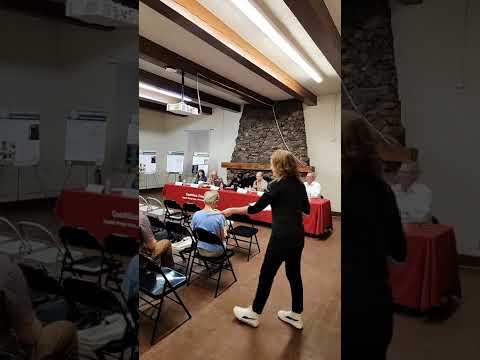
Cochise County outlines $130 million jail expansion, proposes sales-tax bond for November ballot
Summary
County staff described a $130 million plan to expand the Cochise County Jail to 400 beds, funded by a sales-tax-backed bond slated for a November ballot measure; officials cautioned voter rejection could obligate the county to repay suspended jail-tax revenues.
Cochise County staff outlined plans for a proposed $130,000,000 jail project that would build capacity for 400 inmates now and allow two additional dormitories later to house another 200, funding construction with a sales-tax-backed bond the county intends to place on the November ballot.
A staff member said, "And that budget is a $130,000,000. That includes all the costs associated with, hiring, architects and consultants." The same staff member described the plan as a staged build: "So we can come back 50 years from now if we have to add those 2 additional, dormitories to add 200. So we're gonna build for capacity of 400 now with the support services to support."
County staff emphasized timing and voter risk. "That is the intent right now," the staff member said, noting the county would pursue a bond and a sales-tax measure. The staff member added that if voters do not approve the tax in November, "we're on the hook for paying that back, because it would come out of the current jail tax that was suspended on July."
Why it matters: The expansion would increase bed capacity and build support services county officials said are necessary to manage the jail population. Staff said most people booked into the Cochise County Jail are released quickly, which shapes incarceration and service needs: "The majority of people who come into the Cochise County Jail are released within about 2 weeks of being incarcerated most of the time," a staff member said, adding longer stays occur in serious cases.
Speakers at the meeting raised staffing, service and finance concerns. One speaker described staffing pressure at the U.S. Customs port patrol station in Douglas and linked it to federal recruitment incentives: "custom at the port patrol station in Douglas, and we talked about how they're having problems with their staff because ICE just got $50,000 bonus if you sign up." A separate participant, identified in the record as a Wilcox resident, noted local property-tax capacity is limited: "Wilcox only gets $80,000 a year from their property tax. We can't do a lot with the property tax already."
Officials also described administrative limits that shape the timing of a tax and bond. Staff said the publicity pamphlet for the proposed measure lists a 17-year tax period: "Right. So so the period in the publicity pamphlet is 17 years." They said state notification rules require advance timing steps tied to retailers' point-of-sale systems, and that the earliest the tax could be turned on would be July 1 of the year after approval, which is also the earliest the county could begin the bond process. "So you're probably talking September, October before the bond company approves the bond because you have validated revenue first. So you need 3 months of revenue from that sales tax," a staff member said.
Meeting remarks included questions about services budgeted inside the project. One speaker asked about the share allotted for health services, mental-health and addiction treatment within the project budget. Staff responses on precise percentages and line-item allocations were discussed but not specified in the transcript.
No formal vote or ordinance adoption on the jail project or bond appeared in the portion of the transcript provided. County staff framed the plan as the current intent and described next steps: finalize bond documentation, validate initial sales-tax revenue for the underwriter and, if scheduled, place the sales-tax question before voters in November.
The discussion combined operational details about jail population and plea agreements with financing and timing of a bond measure; transcript segments show continuing conversation across multiple agenda points, with county staff and local residents raising financial limits and staffing concerns.
Pending details not specified in the transcript include an ordinance or ballot language, exact percentage of the sales tax proposed, precise health-services budget breakdowns, and any formal board decision or vote to place a measure on the ballot.