Get Full Government Meeting Transcripts, Videos, & Alerts Forever!
Get email alerts on the Fiduciary Duties topic
No spam. Unsubscribe anytime.
Outside counsel briefs board on settlor and fiduciary roles, duties and risks
Summary
External benefits counsel gave the board a detailed training differentiating settlor (plan design) and fiduciary (plan administration) roles, emphasizing prudence, loyalty, delegation, vendor selection, monitoring and the personal liability that may attach to fiduciary breaches.
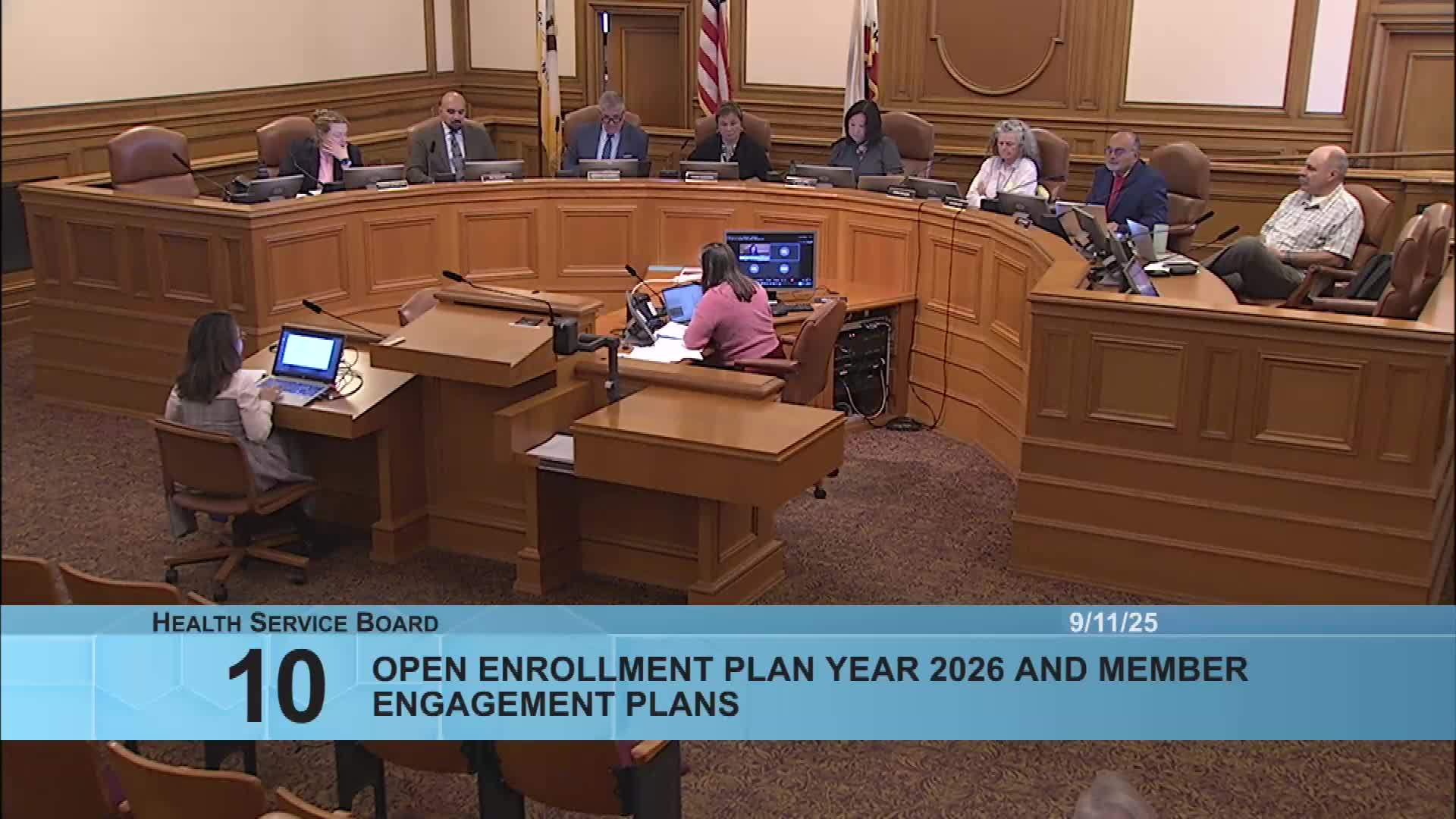
Chris Sears, outside benefits counsel with Ice Miller, delivered a board education session on settlor and fiduciary responsibilities at the Sept. 11 Health Service Board meeting.
Sears explained that settlor (sometimes spelled "settler" in discussion) decisions concern plan design and whether a plan exists — for example, who is eligible, what benefits are offered, and whether to amend or terminate a plan. Those choices, Sears said, are made with broader sponsor interests in mind.
By contrast, when the board administers and operates the plan — selecting and monitoring vendors, adjudicating appeals, investing trust assets and applying plan documents — it is acting in a fiduciary role and must act solely in the interests of participants and beneficiaries. Sears referenced the city charter and the board’s terms of reference, which require the trust fund to be administered “solely for the benefit of the active and retired members of the health service system and their covered dependents.”
Sears discussed core fiduciary duties: loyalty (act only for the participants’ benefit and avoid conflicts of interest), prudence (exercise care, skill and diligence, engage experts when needed and document process), diversification and monitoring of investments and vendors, and following the plan documents. He warned that plaintiff litigation trends have expanded to challenge health plans on PBM contracts, drug costs and vendor fees, and that fiduciaries can be personally liable for breaches; public‑employee indemnification and fiduciary liability insurance are commonly available but do not remove the duty to follow prudent process.
Sears urged board members to review materials before meetings, ask questions, secure expert advice where appropriate, and document deliberations and vendor oversight. He also explained distinctions between settlor choices that reduce benefits (a permissible sponsor decision) and fiduciary duties that govern how plan assets are administered once benefits are established.
Why it matters: the training clarifies legal roles the board must balance when making design choices and carrying out oversight, and underscored the importance of documented process in protecting participants and fiduciaries.
Board members asked how to weigh member disruption when choosing vendors; Sears said vendor selection and monitoring are primarily fiduciary functions that should consider cost, quality and member impact.