Get Full Government Meeting Transcripts, Videos, & Alerts Forever!
Get email alerts on the Special Districts topic
No spam. Unsubscribe anytime.
Council tables Plantation Acres Improvement District dissolution after board rescinds earlier vote; residents urge a public referendum
Summary
After a newly elected Plantation Acres Improvement District (PAID) board rescinded a February vote to pursue dissolution, the city council put the matter on hold to give the district an opportunity to re‑notice and hold public deliberations; dozens of residents testified for and against dissolution.
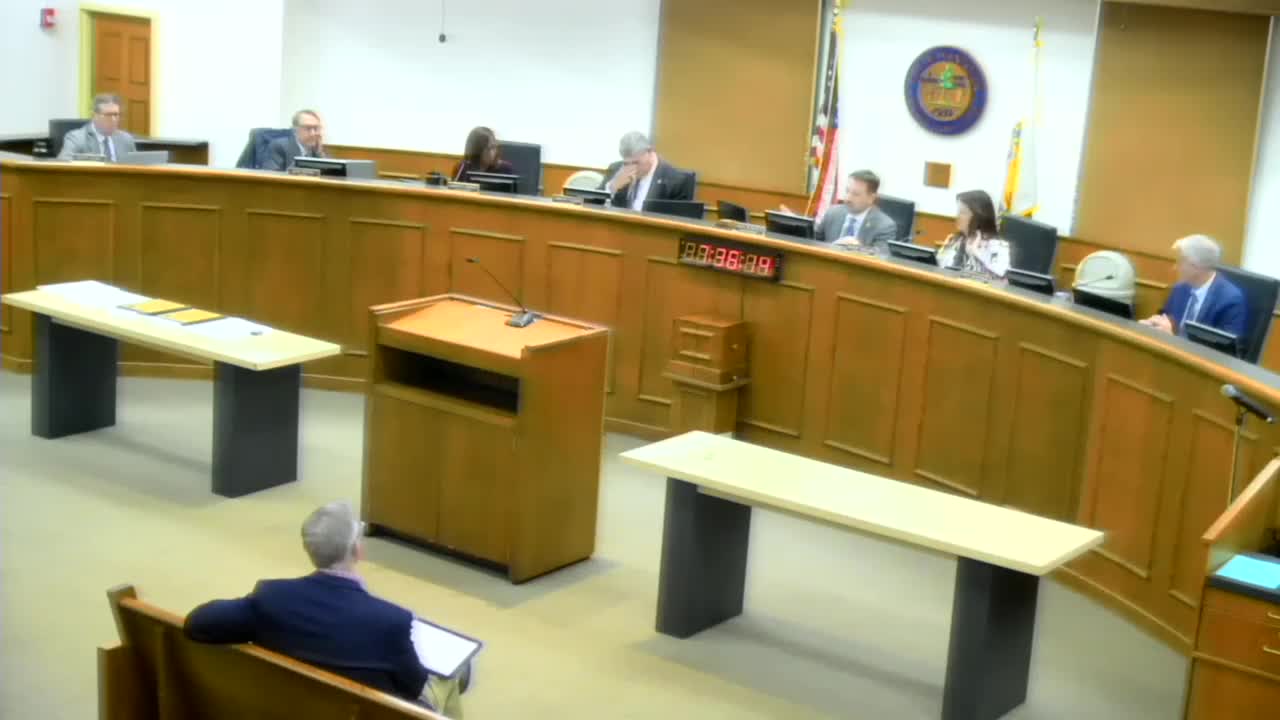
The City of Plantation City Council on Sept. 17 voted to table action on a resolution that would accept responsibility if Plantation Acres Improvement District (PAID) were dissolved, after PAID’s board voted to rescind a prior decision to pursue dissolution.
Administration presented background to the council, saying the issue began after storm-related recovery and long‑standing resident concerns about PAID’s performance and finances. City Chief Administrative Officer Jason Untermaker told the council the city had planned a local bill modeled on prior special-district dissolutions and an informational town hall, but the PAID board’s late reversal changed the dynamics.
Board action and residents’ positions
PAID, originally created in 1963 as a drainage district and converted to an improvement district under chapter 82‑274 of the Florida Statutes, moved in February 2025 to dissolve as an independent special district; the PAID board voted 4–1 in February for dissolution. At a special meeting on Sept. 15 the board voted to rescind that dissolution approval, prompting residents and council members to press for more public discussion. Several PAID commissioners and many Plantation Acres residents testified to the council.
Bill Beasley, who identified himself as a PAID commissioner, said the board’s Sept. 15 vote reflected improvements the new board has made on operations and governance and urged either a special PAID meeting for public input or proceeding with dissolution based on the earlier vote. Multiple residents said they want a binding public vote on the district’s future. “Our request to the council is simple: do whatever is necessary to help Plantation Acres residents be allowed a vote in the future to determine the fate of PAID,” resident Donna McCormick said.
Administration, the city attorney and council discussion
City staff explained the legal process for dissolving an independent special district under Florida law. City Attorney review and council members noted that Section 189.072 of the Florida Statutes governs dissolution of independent special districts and that the mechanics can differ depending on whether the district voluntarily requests dissolution or whether another pathway is pursued. Staff and the city attorney also described the “local bill” process that would carry a legislative special act to the Broward County legislative delegation and then to Tallahassee; staff said a town‑hall engagement and a clear timeline were part of the planned public outreach.
Council action
Council members expressed concern that PAID’s Sept. 15 rescission had not been widely noticed and urged the district to hold a properly advertised public meeting that allows both supporters and opponents to comment before the city moves forward. Council member Fadgen moved to defer further council action on the resolution to the Oct. 8 council meeting to give PAID time to re‑advertise and hold public hearings; the motion was seconded and passed by roll call.
What residents asked for and the practical next steps
Residents who testified raised two consistent requests: (1) a city statement that it is willing to provide services if a dissolution proceeds (so state legislators and residents know who will provide drainage and canal maintenance), and (2) a binding referendum so Plantation Acres homeowners can decide. Staff reported they are gathering information on election costs (staff cited an estimate of roughly $2.97 per voter and said there are roughly 6,000 registered voters in the PAID area, numbers to be verified).
Ending
The council did not adopt the resolution at the Sept. 17 meeting and instead tabled the issue to Oct. 8 to allow PAID to hold additional public meetings and to give council members time to consider legal and fiscal implications. Staff said they will continue outreach and prepare materials explaining the operational transition, funding and potential referendum impacts if dissolution proceeds.