Get Full Government Meeting Transcripts, Videos, & Alerts Forever!
Get email alerts on the Social Services Snap Medicaid topic
No spam. Unsubscribe anytime.
Rutherford County DSS outlines local impact if North Carolina cuts SNAP and Medicaid
Summary
Rutherford County Department of Social Services officials told commissioners that proposed state and federal changes to Medicaid and SNAP could reduce coverage for hundreds of county residents, increase workload for county staff and risk a substantial local fiscal shortfall if the state shifts costs to counties.
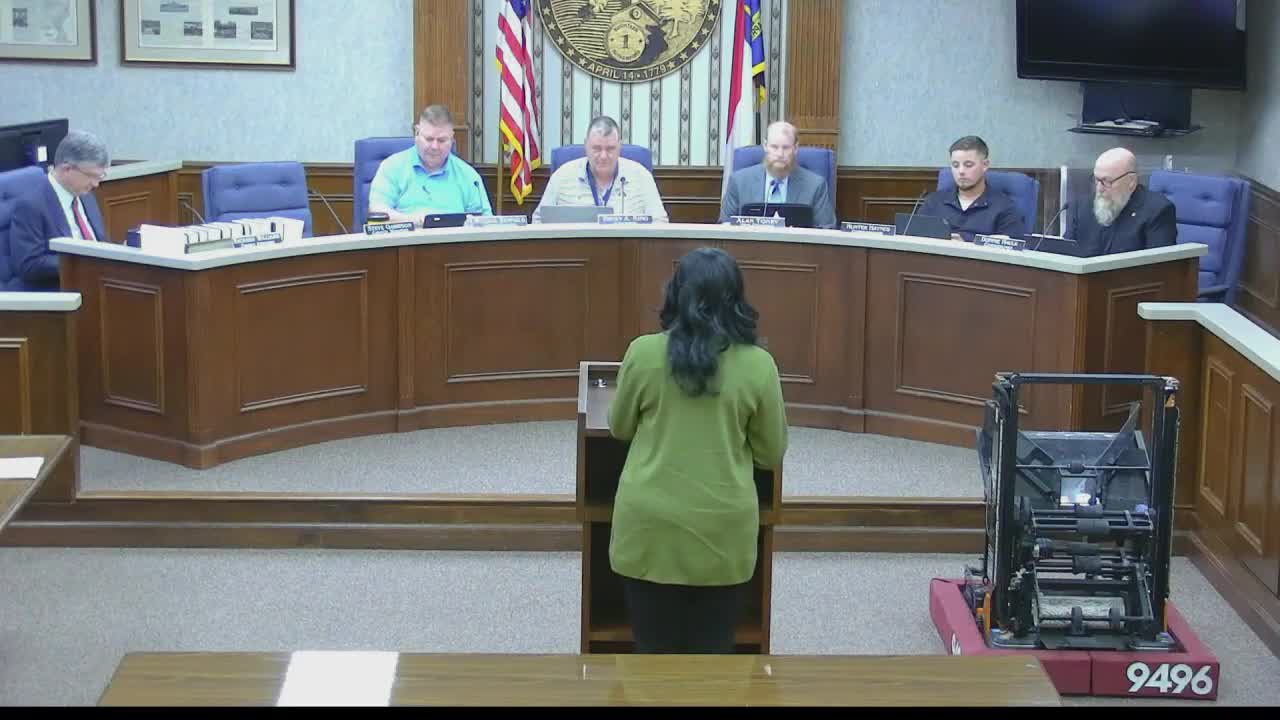
Rutherford County Department of Social Services Director Dee Hunt told the Board of Commissioners that proposed cuts in a legislative plan dubbed the “big beautiful bill” would sharply reduce Medicaid and SNAP coverage and increase local workloads and costs.
Hunt said the package would produce an estimated $32,000,000,000 in national cuts over 10 years and, if enacted as described, would begin changes to eligibility and recertification timing for North Carolina on Dec. 31, 2026. “It will in North Carolina, it will impact about 255,000 individuals,” Hunt said, and locally she said 5,256 county residents are enrolled under Medicaid expansion while a total of 2,312–2,383 people are enrolled in Medicaid in Rutherford County (numbers Hunt supplied to the board). She said the county’s SNAP program serves 12,647 people in over 6,500 households and paid out $2,111,638.39 in benefits in the most recent reporting period she cited.
Why it matters: Hunt warned commissioners that reduced eligibility and more frequent recertification — moving from annual to six‑month reviews — would increase staff workload, raise the county’s risk of financial “clawbacks” tied to error rates and cause provider payment cuts that could reduce local health-care capacity. “There's gonna be more needs, more questions,” Hunt said, adding that provider pay cuts of 3–10% could prompt some providers to stop accepting Medicaid.
Hunt laid out three state policy options she said had been discussed in Raleigh: the state could fully allocate the increased cost share to preserve benefits, seek temporary federal waivers, or allow SNAP to lapse in the state — a last option she described as placing the county at “severe risk of food insecurity.” She said that if the state chooses to spread shortfalls among counties, Rutherford County’s potential share could be about $315,000 under one scenario the department described.
Board discussion and local officials: Commissioners and public‑safety staff pressed Hunt and DSS staff on operational impacts. An EMS/communications representative told the board that changing address or benefit rules increases the need for “aliases” and other workarounds in dispatch systems, which can create confusion. A sheriff’s office speaker said field deputies routinely adapt to road and address idiosyncrasies and that response is not affected by the numbering direction on its own, though he acknowledged the operational friction. Hunt confirmed that the county already faces strong demand for services and that more frequent recertification would increase client contacts, documentation burdens and turnover risk among front‑line staff.
Next steps and requests: Commissioners asked Hunt to provide updates and requested the department send the county the local SNAP fraud rate and any additional fiscal detail. Hunt said she would provide follow‑up information by email or at a future meeting.
Ending: Hunt emphasized the multiplier effect of SNAP spending on the local economy — “every dollar spent in SNAP, it increases our economy by a dollar 50 to a dollar and 80¢,” she said — and urged the board to monitor state action because local service and budget consequences hinge on how the state responds.