Get Full Government Meeting Transcripts, Videos, & Alerts Forever!
Get email alerts on the Taxi Fares topic
No spam. Unsubscribe anytime.
Council adopts change to taxi fares in Portland after amendment to expand rates citywide fails 6–3
Summary
The council approved an amendment to Portland City Code Chapter 30 adjusting taxi fares; a proposed amendment to extend the new flat rates to all city taxi drivers was defeated 6–3 before the main ordinance passed.
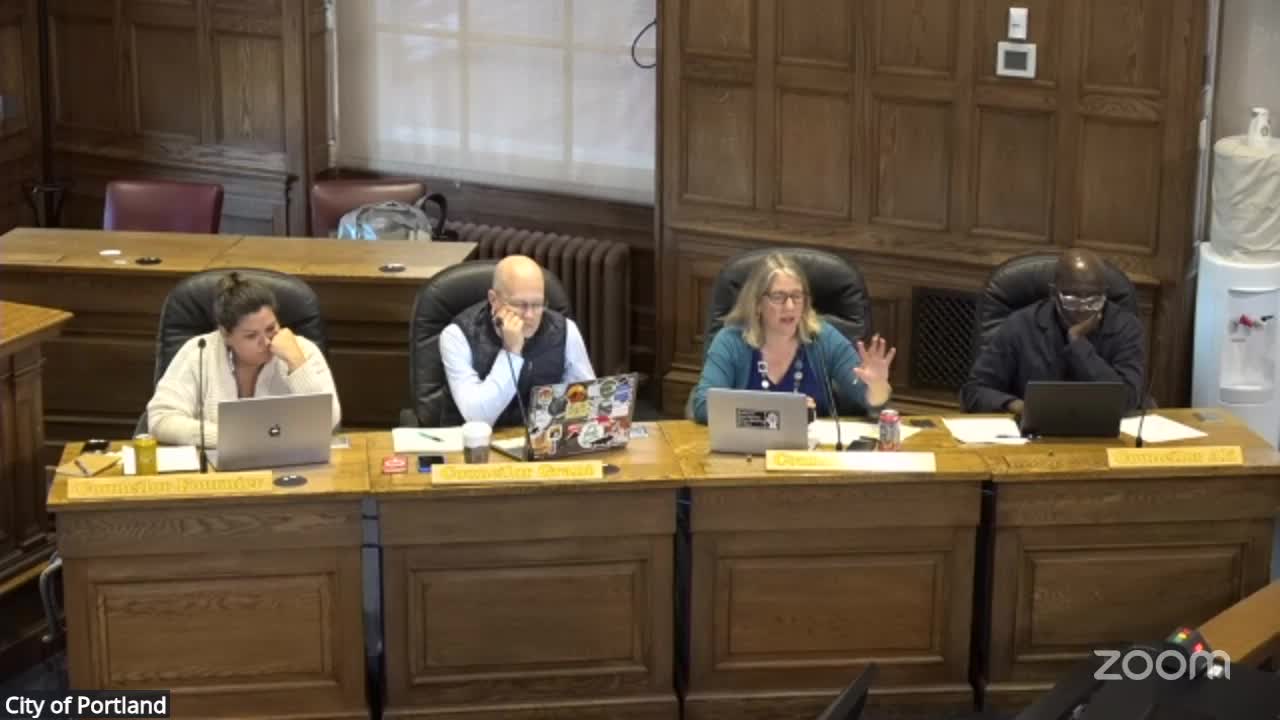
The Portland City Council adopted an amendment to Chapter 30 of the Portland City Code on taxi fares on Sept. 15 after rejecting an amendment that would have extended the new flat rates to every taxi in the city.
Councilor Ali proposed the amendment to include all taxi drivers rather than limiting the change to airport and transportation-center taxis. Ali said she sought to make the rate changes apply citywide to benefit all drivers. “I want to make an amendment to include all taxi drivers in the city, not just the airport and the transportation center,” Ali said.
Councilor Sykes raised concerns that flattening the fee structure would remove a higher airport rate intended to compensate drivers who must queue at the airport, and that a uniform fee might disincentivize shorter rides. “The airport is a location where taxis have to queue and spend a considerable amount of time waiting for a ride,” Sykes said. He said the higher airport rate was meant to cover that lost time and that a flat fee could affect availability for short trips.
Councilor Pelletier said the proposed flattening could raise costs for routine local trips. “If someone gets a taxi ride from Congress Street to Hannaford and then gets a taxi ride from Hannaford back to Congress Street, that will be $20. I cannot support this,” Pelletier said, citing concerns for residents who rely on taxis for errands.
The council voted on the amendment first; the motion to extend the rates citywide was defeated, 3 in favor and 6 opposed. Following defeat of the amendment, the main ordinance amending Chapter 30 moved forward and passed by roll call.
Council discussion showed competing priorities: some councilors supported modest increases to help taxi drivers recover costs that have not changed for nearly 20 years, while others warned the change could increase fares for short, local trips and burden residents who rely on taxis. The ordinance as adopted preserves the city’s approved rate structure as amended (the text of the ordinance amendment was not read into the record in full at the meeting).
Councilors voted on the main motion by roll call and the ordinance was approved; the clerk recorded the council action. The transcript does not provide a detailed roll-call tally for the main motion in the record beyond the roll-call exchange and the clerk’s confirmation that the order moved forward.