Get Full Government Meeting Transcripts, Videos, & Alerts Forever!
Get email alerts on the Drug Policy Cannabis topic
No spam. Unsubscribe anytime.
Union raises prescription THC policy; city requests legal and liability review
Summary
Union requested that employees prescribed medical THC under Texas' Compassionate Care Act be allowed to use prescribed medication without automatic discipline; city staff flagged legal, benefits and impairment-detection concerns and said it will research policies other jurisdictions use.
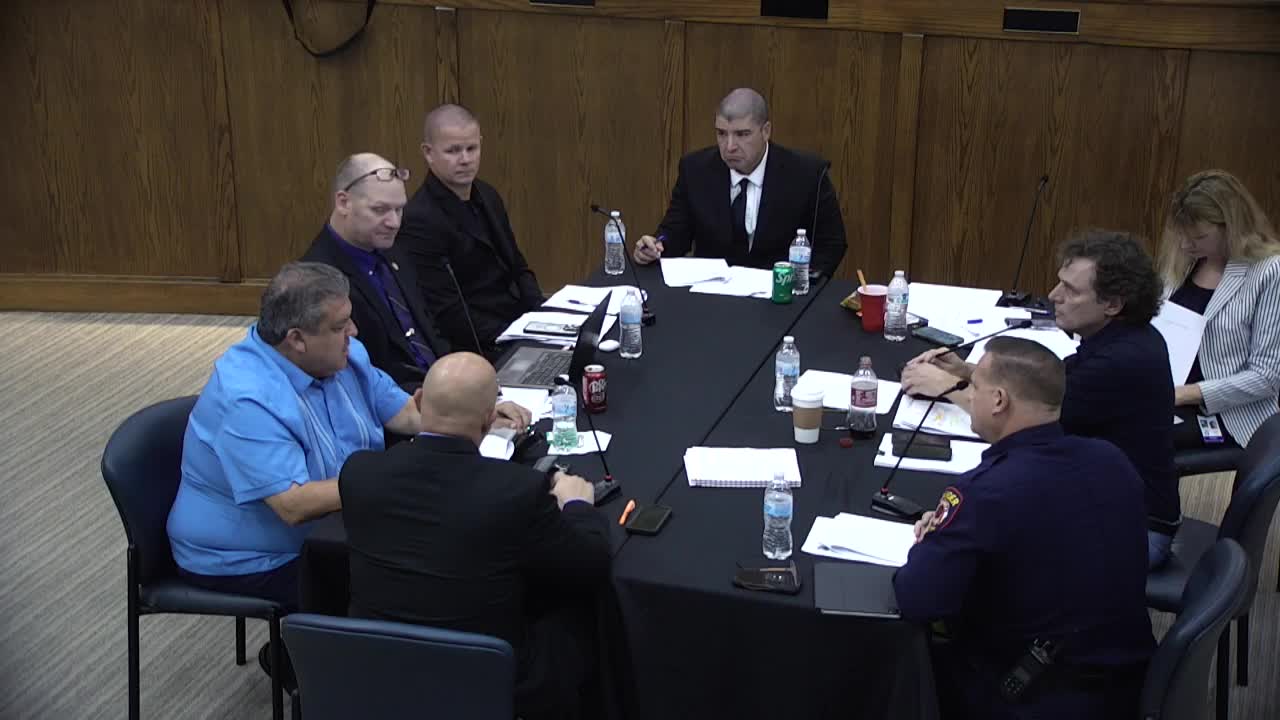
During bargaining, Leander firefighter negotiators asked the city to allow employees prescribed medical cannabis products (THC) under Texas law to use those prescriptions without being disciplined automatically for a positive drug test.
What the union asked: union representatives described cases in which medical marijuana or low-dose prescription cannabinoid therapies are prescribed for chronic pain or post-traumatic stress symptoms. They asked for contract language that would allow employees who present a valid medical prescription to avoid discipline, and set testing procedures that differentiate therapeutic use from impairment on duty.
City response and concerns: City staff raised several concerns and asked for research before accepting any policy change. Staff noted that federal rules, line-of-duty benefits and some insurer or third-party processes could be affected in cases where a member dies in the line of duty and THC is in their system; in some instances federal benefits were described as potentially at risk if THC is present. City and HR staff also noted current drug-testing technology primarily detects presence of THC metabolites rather than recent impairment, and that some jurisdictions use a separate “reasonable suspicion” or impairment checklist and trained evaluators to determine on-duty impairment.
Other points: participants agreed to research models used elsewhere (examples cited included Austin-Travis County EMS and Canyon Lake) and to collect medical and legal guidance from a qualified occupational-health clinician and the city’s insurer (TML). The parties discussed reasonable-suspicion testing, medical-review-officer processes and potential thresholds that differentiate prescription use from recreational use. City staff said they would bring back examples of local policies and the legal/insurance implications.
Next steps: city staff committed to gather written policy examples, insurer or TML guidance, and legal analysis on interactions with federal benefits and impairment/detection protocols. The group did not adopt new language at the meeting.
Ending: the topic was tabled for follow-up; the city and union will meet again with additional legal, medical and insurer information.