Get Full Government Meeting Transcripts, Videos, & Alerts Forever!
Get email alerts on the Legal Policy Defense Representation topic
No spam. Unsubscribe anytime.
Council schedules public hearing on revised defense representation ordinance; Article 4 removed for later policy work
Summary
Council discussed an ordinance to amend Chapter 9 of the City Code on defense representation and indemnification, aligning local language with New York Public Officers Law Sections 18 and 19 and removing a procedural Article for later resolution-based policy development.
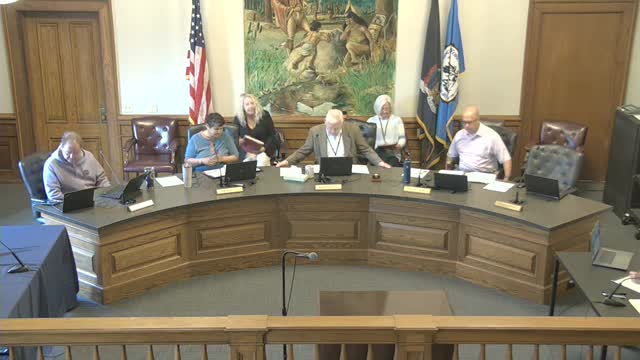
The Saratoga Springs City Council announced a public hearing for an ordinance that would amend Chapter 9 of the City Code, the section governing defense representation and indemnification for city officials and employees. The draft removes Article 4 — a procedural section about how to obtain counsel — and leaves that procedure to be addressed later by separate policy or resolution.
A staff member identified only as Dave explained that the draft ordinance was modeled closely on New York State Public Officers Law Sections 18 and 19. "Section 18 is for civil legal proceedings, and 19 is for criminal," he said while explaining that the city’s current chapter had been interpreted by courts in recent decisions to align with Section 18. Dave said recent case law, including a decision by Judge Walsh, showed Chapter 9 was being read as civil in scope and did not authorize reimbursement for criminal counsel or payment during an on‑call investigation.
Dave said the draft attempts to mirror the state language while replacing references to the attorney general with the city attorney and substituting the city council where the state is mentioned. The draft also expands coverage to include witnesses in certain investigations. He said the draft originally included a Section 4 protocol for how decisions about hiring counsel would be handled, but council members pulled that section so the council or the city attorney could develop the protocol later.
Council members and staff said that if parties encounter a legal roadblock, a court can resolve disputes about hiring counsel and fee questions. Dave said the city could always seek a judicial determination to authorize a hire or resolve fee disputes.
The transcript records the ordinance will be the subject of a public hearing on Tuesday evening; the council did not vote on final adoption during the recorded session. Officials said they plan to address the procedural protocol by resolution at a later date.