Get Full Government Meeting Transcripts, Videos, & Alerts Forever!
Get email alerts on the Historic Preservation Tax Exemption topic
No spam. Unsubscribe anytime.
McKinney board approves Level 2 H.N.I.Z. tax exemption for W.H. Knott House at 502 West Hunt Street
Summary
The Historic Preservation Advisory Board approved a Level 2 Historic Neighborhood Improvement Zone tax exemption for 502 West Hunt Street (W.H. Knott House), certifying $21,190 in eligible rehabilitation work and applying a 50% city ad valorem tax exemption for 10 years; staff noted program caps and estimated city revenue foregone.
The Historic Preservation Advisory Board on Sept. 4 approved a Level 2 Historic Neighborhood Improvement Zone (H.N.I.Z.) tax-exemption request for the W.H. Knott House at 502 West Hunt Street.
City historic preservation staff member Raina presented the application, saying the house — identified in staff materials as the W.H. Knott House and constructed c. 1935 in a Tudor Revival style — qualified as a high-priority property and met the program's Level 2 criteria. Raina said the owners documented at least $21,190 in eligible building improvements, including sewer-line replacement and cast-iron pipe work, and had received a letter of eligibility dated Feb. 21, 2025.
The board's approval allows a 50% exemption on city ad valorem taxes for a 10-year period under the program's Level 2 incentive. Raina said the program requires a minimum investment of $10,000 in building improvements within 12 months of the eligibility letter and that staff's current estimate of total ad valorem tax revenues being foregone across the program is approximately $294,539 for the tax year cited. She also noted a program cap of $400,000 per year; if the cap is reached, additional applicants must await their turn on the calendar.
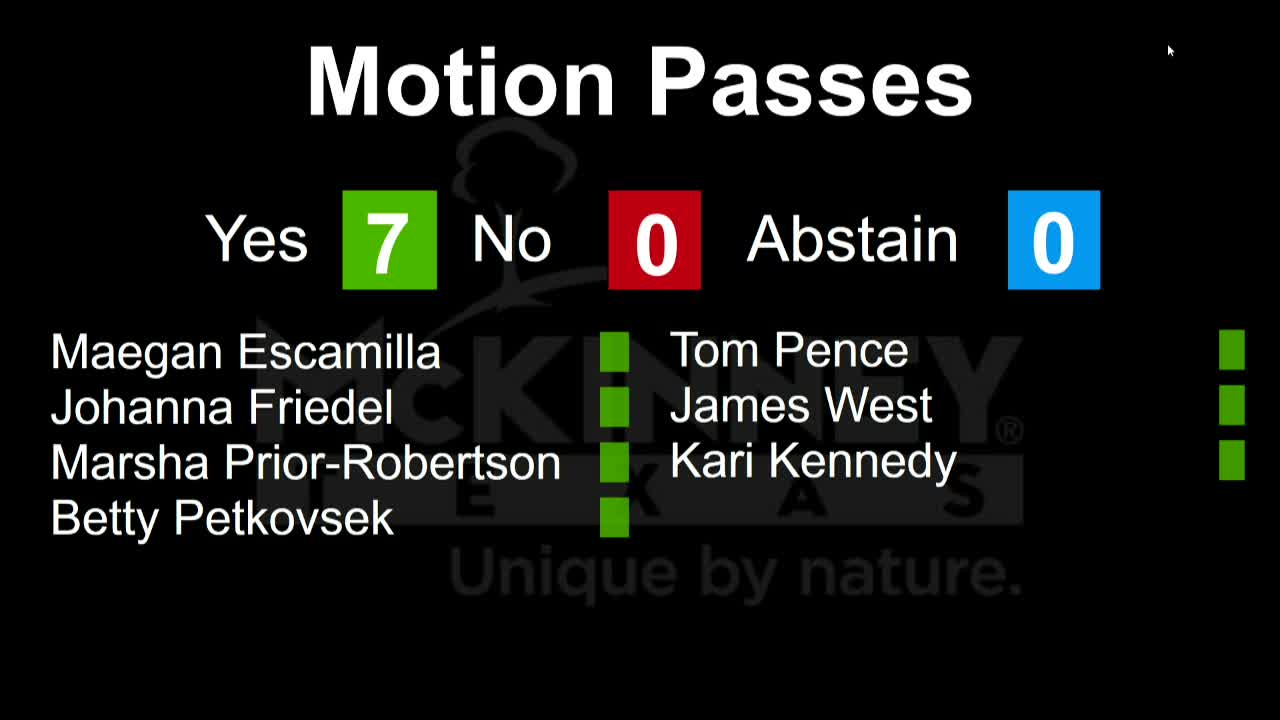
Board member James moved to approve the H.N.I.Z. Level 2 exemption request; an unnamed board member seconded, and the motion was adopted (the board's recording shows the item approved by unanimous vote). The motion, as recorded in the meeting transcript, approved the applicant's request and directs staff to implement the exemption consistent with program rules.
Why it matters: H.N.I.Z. exemptions reduce city property tax receipts in exchange for incentivizing private investment in historic properties. The program's per-year cap and staff estimates of revenue foregone were part of the board's discussion.
The board did not amend the applicant's requested exemption level or attach additional conditions during the recorded motion. The staff report and invoices documenting the $21,190 in work were available to board members and referenced during the presentation; board members asked only clarifying questions about program totals and caps.