Get Full Government Meeting Transcripts, Videos, & Alerts Forever!
Get email alerts on the Elder Abuse topic
No spam. Unsubscribe anytime.
San Antonio highlights elder-abuse prevention: training, financial-crimes unit and community outreach
Summary
City staff and police briefed the Public Safety Committee on elder-abuse trends, prevention training for city employees and outreach to older adults; the police financial-crimes unit and Adult Protective Services partnership were highlighted.
City staff and the San Antonio Police Department presented the committee with an update on elder-abuse prevention, including training for city employees, coordination with Adult Protective Services (APS) and work by the police financial-crimes unit.
Chief Salomé (police) reviewed trends the department is tracking for offenses against adults age 65 and older and described common risk factors: social isolation, cognitive impairment, caregiver stress and financial vulnerability. Presenters cited underreporting — noting the presentation’s figure that only a small fraction of elder-abuse incidents are reported — and said financial exploitation and fraud (including romance scams and identity theft) have been increasing in recent years.
Chief Salomé described how investigators coordinate with APS, banking institutions and a city financial-crimes unit; the presentation named the financial-crimes unit as a primary partner in identifying scams and issuing public alerts. The unit was described in the briefing as having 20 investigators, two supervisors and a superintendent (staff numbers as stated in the presentation). Presenters said detectives and APS refer cases to a prosecutor assigned to elder financial crimes when cases meet prosecutorial thresholds.
Human Services described prevention work designed to reduce social isolation and promote independence among older adults. Staff reported a pilot 45-minute mandatory training deployed across 10 departments; presenters said roughly 6,900 city employees have completed the training and that the city intends to expand training to all departments. The department also described outreach strategies including resource fairs at senior centers, coordination with banks and in-person town halls aimed at educating older adults about scams and how to report suspected abuse.
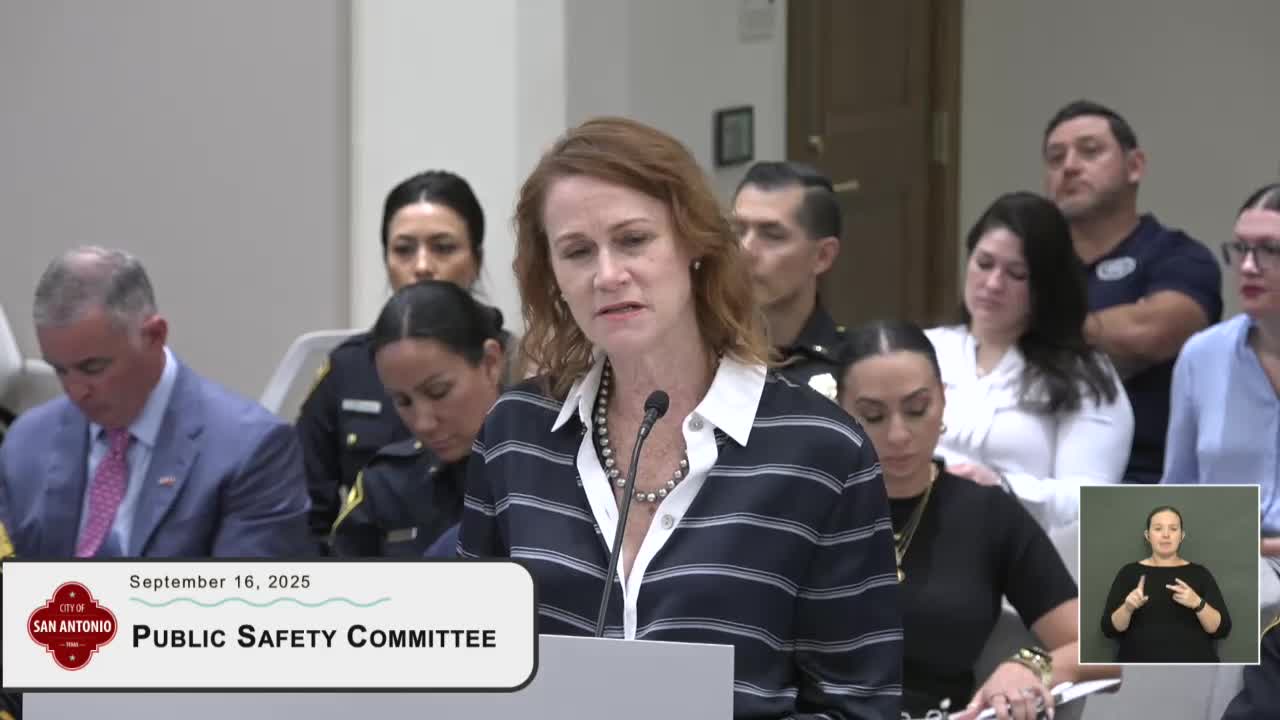
Councilmembers and some residents raised enforcement and police-response concerns. One resident said she experienced or observed aggressive behavior by officers when trying to record incidents in public; the complaint was noted in the public-comment portion of the meeting and staff acknowledged they would follow up on community concerns about police interactions. Councilmembers also asked how senior centers and navigation services handle crisis referrals; presenters said centers can schedule appointments in advance and that navigators and counselors are available for both scheduled and crisis needs.
Staff emphasized the need to improve reporting, strengthen partnerships with APS and financial institutions, and continue community education so older adults and caregivers know how to recognize and report abuse.