Get Full Government Meeting Transcripts, Videos, & Alerts Forever!
Get email alerts on the Public Health Harm Reduction Zoning topic
No spam. Unsubscribe anytime.
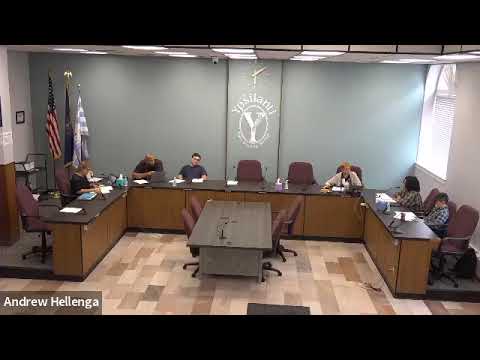
Ypsilanti commissioners discuss adding ‘harm reduction’ to zoning definitions to allow downtown services
Summary
Commissioners agreed to develop draft language asking City Council to amend zoning definitions so harm reduction services are not automatically classified as substance-abuse treatment facilities, and they asked to invite local providers to advise.
The Ypsilanti Human Relations Commission on Aug. 21 agreed to pursue draft language asking city council to amend the municipal zoning code to recognize “harm reduction” as a distinct category so organizations can provide certain services in additional zones, including downtown.
Commissioners said the current zoning definitions classify harm reduction providers under “substance abuse treatment facility,” which, by ordinance, often restricts location to certain zones. Chair Kat Layton said the existing definitions cover overnight residential treatment and walk-in clinical treatment, but not the spectrum of harm-reduction activities commissioners and community members described.
Why it matters: Commissioners and presenters said that treating harm reduction as a subset of substance-abuse treatment can block community-based services such as syringe exchange, drug-checking services and mobile outreach from operating in centrally located commercial areas where they could be most accessible to people at risk of overdose.
What commissioners discussed: Commissioners asked for a concise working definition that would make clear harm reduction is a set of evidence-based practices aimed at reducing negative consequences of risky behavior (presenters and commissioners noted examples such as condom distribution and seat belts as non-drug analogues). Vice Chair Harper and others recommended seeking input from local harm-reduction providers and people with lived experience before finalizing language. Chair Layton recommended placing the zoning-definition text for commissioners to review prior to the next meeting.
Action and next steps: The commission added a request for zoning language to the next packet and asked staff to invite local harm-reduction groups to present. Commissioners offered to work in small drafting groups (with up to two other commissioners to remain within meeting-notice rules) to prepare suggested ordinance text; the clerk advised on what is permissible for working groups under the municipal charter and said the commission may request an opinion from the city attorney on scope.
Ending: Commissioners agreed to review the zoning-definition text at the next meeting, invite practitioners to present, and circulate any proposed language in advance.