Get Full Government Meeting Transcripts, Videos, & Alerts Forever!
Get email alerts on the International Relations Cuba topic
No spam. Unsubscribe anytime.
Ypsilanti Human Relations Commission votes to forward resolution urging end to U.S. restrictions on Cuba
Summary
The commission voted to send a resolution to Ypsilanti City Council urging removal of Cuba from the U.S. state-sponsored terrorism list and an end to embargo-related restrictions; presenters described medical and humanitarian impacts of the sanctions.
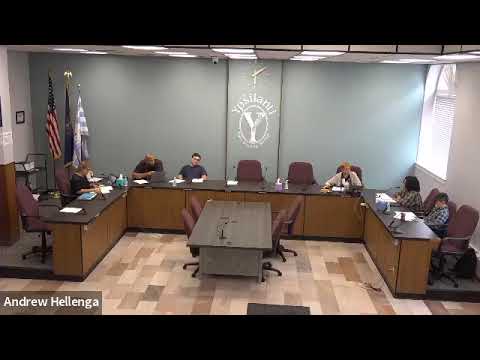
The Ypsilanti Human Relations Commission voted on Aug. 21 to forward a resolution to the Ypsilanti City Council urging U.S. federal officials to remove Cuba from the state-sponsored terrorism list and to lift embargo-related restrictions.
The commission’s action followed a 30-minute presentation from members of Michigan Action for Cuba, who described medical and humanitarian consequences they attribute to U.S. sanctions and the designation. Lindsay (member, Michigan Action for Cuba) said the group’s goals include ending the blockade and removing Cuba from the state-sponsored terrorism list, and highlighted Cuban medical advances that, she said, are unavailable to people in the United States because of the restrictions. “If you would choose to move this along for it to be moved in front of council, you would be with the majority, on the right side of history,” Lindsay said.
Why it matters: Presenters told the commission the sanctions affect access to medicines, medical devices and international collaboration on vaccines and treatments; they also framed the matter as one with local consequences, saying migration flows and community relations can be affected by U.S. policy toward Cuba. Commissioners discussed whether the commission should ask council to act now or allow more time to refine the proposed language.
Details of discussion: The presentation included historical context (a referenced internal State Department memorandum commonly cited in Cuba-policy debates), United Nations voting patterns and examples of Cuban medical programs that presenters said have had international impact. Commission members asked procedural questions about the resolution’s wording and the next steps for sending it to council. City Clerk staff advised that if the Human Relations Commission approves a resolution urging council action, staff will place it on council’s agenda as a communication; the mayor or two council members would have to request it be moved to an actionable item for council to vote on it.
Action taken: Vice Chair Harper moved to send the commission’s resolution to city council; the motion was seconded and carried. The commission’s clerical record will show the HRC as the originator and the clerk said she would place the resolution on the council agenda as a communication and route certified copies to the congressional delegation and other named officials if the commission specifies them.
What’s next: Commissioners agreed to refine the draft language. The commission named local officials to whom the resolution should be directed (examples discussed included the congressional delegation and state representatives) and asked the resolution drafter to circulate an updated draft to commissioners before the next meeting. The commission scheduled follow-up steps rather than sending an amended or council-ready version immediately.
Ending: Commissioners expressed appreciation for the presenters’ firsthand accounts and materials. The commission approved the motion to forward the resolution and the clerk outlined the routing process to council and to named federal and state officials.