Get Full Government Meeting Transcripts, Videos, & Alerts Forever!
Get email alerts on the Historic Preservation Windows Masonry topic
No spam. Unsubscribe anytime.
Commission approves window replacements and interior glass-block solution but denies painting at 11 Audubon Place
Summary
For HPC 45-25 at 11 Audubon Place, the Tuscaloosa Historic Preservation Commission approved three window replacements and a conditioned interior glass-block solution for a bathroom window, but the commission denied the applicant's request to paint the house’s brick.
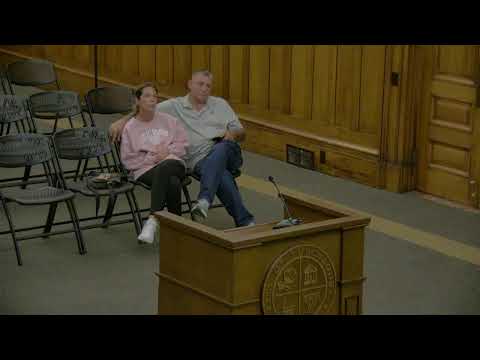
The Tuscaloosa Historic Preservation Commission on Sept. 10 considered application HPC 45-25 from Mitchell and Christina Weest for multiple exterior alterations at 11 Audubon Place in the Audubon Place Historic District (Council District 4). The application proposed painting previously unpainted brick, replacing three windows with aluminum-clad wood windows, and installing a glass-block-style window where an existing window and interior conditions are in poor repair. The applicant later removed a pergola from the proposal.
City staff presented the parcel locations, photographs, manufacturer specifications for the proposed aluminum-clad wood windows and glass-block units, and noted two public comments in opposition limited to painting. Mitchell and Christina Weest explained the house has widespread mortar deterioration, cracked and broken bricks, differing brick colors from past repairs and additions, and that prior repair attempts left mismatched mortar. Mitchell Weest told the commission a mason told him he “can't match a 100 year old mortar” and that sawing and replacing sections would make mismatched joints visually obvious from the street. He said he planned to “tuck point the whole left side of that house on every window ledge” to address deterioration and that painting would seal and protect brittle masonry even though it requires reapplication every 10–12 years.
Commission discussion split the application into three parts: (1) replacement of three windows with aluminum-clad wood windows, (2) the bathroom glass-block window, and (3) painting the brick. The commission voted to approve the three window replacements as proposed. For the bathroom window, the applicants agreed to explore and the commission approved an amended approach that preserves the exterior window appearance while installing glass block or equivalent material on the interior side to address moisture and privacy needs; the approval included direction that the exterior appearance be maintained.
On the request to paint the brick, several commissioners emphasized that the unpainted brick contrasted with the house’s stucco is a character-defining feature of Tudor-style homes and that painting would materially change the house’s architectural appearance. After a roll-call vote, the motion to approve painting failed: the commission recorded two votes in favor and five opposed, and the application to paint was denied.
City staff told the applicants the next steps and that staff will work with them on permitting and potential contractor guidance. The commission also reminded applicants that final inspections and permits remain required and that applicants may return with additional documentation or contractor/masonry reports for further consideration.