Get Full Government Meeting Transcripts, Videos, & Alerts Forever!
Get email alerts on the Budget Tax Request topic
No spam. Unsubscribe anytime.
Lincoln Public Schools presents $558 million budget; first reading and special hearing held on property tax request
Summary
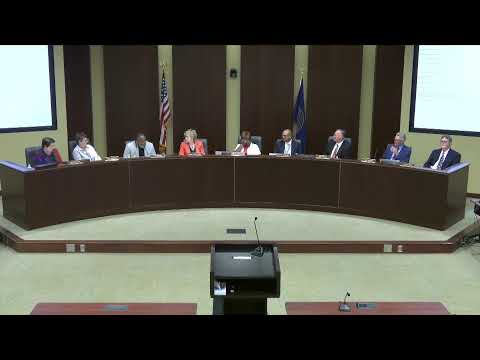
Lincoln Public Schools trustees held a special public hearing on the district's proposed 2025-26 property tax request and received a first reading of a $558 million budget during the board meeting on Sept. 9.
Lincoln Public Schools trustees held a special public hearing on the district's proposed 2025-26 property tax request and received a first reading of a $558 million budget during the board meeting on Sept. 9.
At the hearing the board opened the floor for public testimony on the tax request, but no members of the public registered to speak. "A notice of this special public hearing containing all statutory information has been published in a newspaper of general circulation in the school district at least 4 days prior to this hearing," the board announced when opening the hearing. The board emphasized that any testimony received would be considered before the tax request is filed by the mid-October statutory deadline.
The first reading of the 2025-26 budget was presented by Dr. Standish (staff member), introduced by Annie Mumgaard, chair of the finance committee. Dr. Standish said the budget development process is year-round, noting public outreach that included two public work sessions, three public forums, six board meetings, an online input window and two public hearings. She told the board the budget will return for second reading and consideration for adoption on Sept. 23, with the official budget filed by Sept. 30 and the tax request filed by mid-October.
Dr. Standish described the budget as a roughly $558 million spending plan that is "about 90% personnel," and said the district runs a monthly payroll of about $30 million. She explained that most of the district's expenditures are staff salaries and benefits and that the budget aligns spending with the district's strategic plan. On revenue, Dr. Standish said valuation growth came in at about 8.5% (higher than the 7% estimate) and that the levy rate will fall by roughly $0.088 (8.8 cents) because of valuation growth and increased state aid.
Board members asked clarifying questions about the levy history and what the budget does not include. "Sometimes it's...as important of what's in the budget, as important as what's left out of the budget," said Mumgaard, who described difficult choices made during development. Board members noted the district has lowered its levy to one of the lowest levels in recent history and credited staff for the outreach and analysis that led to the proposed numbers.
The board did not take final action on the budget or tax request at the Sept. 9 meeting; the items will return for second reading and a vote on Sept. 23. The board reiterated that required public notices and filings will be completed with the state auditor and other offices as required by Nebraska law.
Details available from the presentation: the budget is approximately $558 million, roughly 89% of expenditures are personnel-related, estimated valuation growth was 8.5%, and the district projects modest revenue growth (about 4%) and expenditure growth of about 3.6% for the coming year. The board also noted the state's property tax credit program changes how funds flow to the district and homeowners, which staff will analyze further when preparing the 2026-27 forecast.
The board opened but closed the public hearing on the tax request after no speakers registered; adoption and final tax-request filing milestones remain scheduled for late September and mid-October, respectively.