Get Full Government Meeting Transcripts, Videos, & Alerts Forever!
Get email alerts on the Opioid Settlement topic
No spam. Unsubscribe anytime.
Josephine County prevention staff report opioid-settlement spending plan; commissioners ask for more detail on harm‑reduction measures
Summary
Prevention manager Sean Martinez presented a six‑month update on the county’s opioid settlement funds, including $2.4 million received to date, $484,000 spent and $1.4 million on hand; commissioners expressed concern and requested more information about syringe-exchange/harm‑reduction proposals.
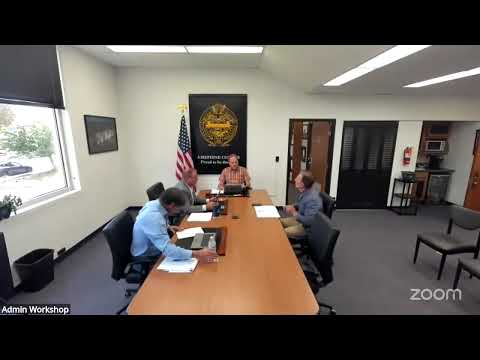
Josephine County’s prevention manager, Sean Martinez, updated the Board of Commissioners on Sept. 9 about how the county has allocated opioid‑settlement dollars and what is planned in the 2025–26 work plan.
Martinez said the county has received two settlement distributions totaling about $2.4 million, has spent roughly $484,000 to date and has approximately $1.4 million remaining on hand. He said projected future settlement receipts could add another $3.4 million over the next 10–15 years but that exact amounts for additional manufacturer settlements were not yet available.
The presentation listed past allocations and program activity funded by the settlement dollars, including school outreach officers, a regional media campaign, drug‑disposal bags, lockboxes, community grants (which have supported sobering centers, drug court and OnTrack), training, a recovery fair and naloxone distribution. Martinez described the county’s prevention framework and said the 2025–26 plan relies on six strategies from the U.S. Center for Substance Abuse Prevention (CSAP). He said the county coordinates regionally on media and continues to support school outreach officers and community coalitions.
Needle exchange/harm‑reduction discussion
Several commissioners raised questions about syringe exchange and other harm‑reduction measures. Commissioner Barnett said he and other commissioners would like a presentation or additional information from the state coordinator or other experts to better understand how syringe-exchange programs operate and how they fit within the county’s broader prevention goals. Commissioner Barnett said: “I have a tough time with that enabling piece … it just kinda comes across differently to maybe the public and us.”
Martinez and other staff offered to bring the state opioid coordinator or subject‑matter experts to a future briefing to explain evidence, oversight, and program safeguards. Martinez said some agencies had included harm‑reduction activities in their service portfolios but that any funded activity must match the scope in an approved RFA and the county’s grant requirements.
Funding and next steps
Martinez said future work will prioritize culturally appropriate services, capacity building for local providers, media that reaches younger audiences and continued regional coordination. He also said the county will run future community RFAs (requests for applications) and that grant applications undergo legal review and a committee evaluation before any funding decision is returned to the board.
Ending: Commissioners asked staff to schedule a technical briefing on syringe‑exchange/harm‑reduction evidence and program oversight before the board considers funding proposals containing those elements.