Get Full Government Meeting Transcripts, Videos, & Alerts Forever!
Get email alerts on the Waste Contracts topic
No spam. Unsubscribe anytime.
Dover Area SD board tables waste contract dispute after public comment from incumbent provider
Summary
The board moved to table two agenda items related to waste and recycling services after a public comment by Penn Waste; a prior attempt to rescind the award failed for lack of a second. The board voted 9-0 to table the items for further review.
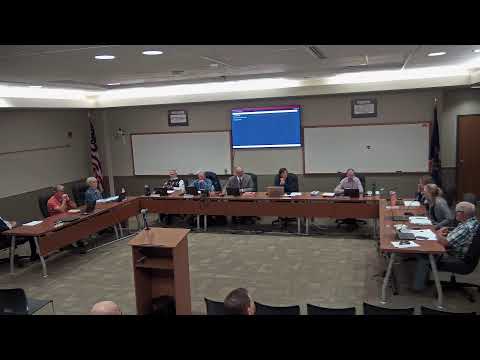
The Dover Area School District Board of Directors on Sept. 9 voted to table two agenda items related to waste and recycling services after hearing a public comment from the incumbent provider and discussion among directors.
Ron Tudor, district manager at Penn Waste, told the board the company had provided recycling and trash collection services to the district “for the past several years” and asked the board not to rescind the contract award the district had previously given to Penn Waste. “We believe that Penn Waste’s proposal provides the required services at the lowest cost,” Tudor said, adding that when on-call services are included his company’s total proposal was “more than $500 less expensive than the closest proposal.”
The board considered two motions during the action-items portion of the meeting. Director Wolverton moved to rescind the waste removal service agreement with Penn Waste; that motion failed for lack of a second. Director Whitmer then moved to table both agenda items (6.01 and 6.02) related to the waste contract; Director Hogan seconded. The board voted 9-0 to table the items.
Board members said they wanted a thorough, apples-to-apples comparison of the proposals before making a final decision. “We want to make sure that we actually do determine which one is the lowest bid,” a director said during discussion.
No additional information on revised timelines was provided at the meeting. The board president asked staff to notify members when the comparative analysis was ready for review; the tabling motion routed the items to a future meeting for further consideration.
The tabling vote was recorded as 9 yes; no individual board members’ roll-call votes were recorded in the public transcript for that motion.
What happens next: the district’s administrative staff will prepare the comparative analysis of the proposals and present it to the board at a future meeting so members can take a final vote on the vendor contract.