Get Full Government Meeting Transcripts, Videos, & Alerts Forever!
Get email alerts on the Front Yard Plantings Ordinance topic
No spam. Unsubscribe anytime.
Committee approves substitute version of front-yard plantings ordinance for further review
Summary
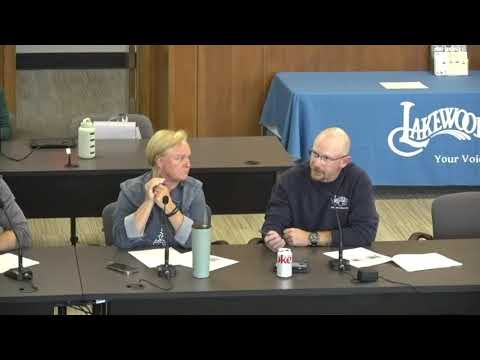
The Housing Planning Development Committee on Sept. 8 approved a substituted draft of Ordinance 18‑20‑25, a proposed change to Lakewood rules for front‑yard plantings, and left the item in committee for additional refinement and public outreach.
The Housing Planning Development Committee on Sept. 8 approved a substituted draft of Ordinance 18‑20‑25, a proposed change to Lakewood rules for front‑yard plantings, and left the item in committee for additional refinement and public outreach.
The substitute reduces some required buffer distances and clarifies how naturally managed landscapes would be treated while pointing enforcement back to existing code sections addressing sight lines and obstructions. Committee members and members of Keep Lakewood Beautiful said they want more time for review and public education before the city moves to final adoption.
Committee chair: “It's not my intention to pass this this evening. This is simply for discussion purposes,” the chair said at the start of the item, and the substitute motion was advanced for continued committee consideration. The chair described the intent as creating “an affirmative ability to grow and maintain managed natural landscapes” while preserving enforcement tools for safety concerns.
Why it matters: The ordinance would change how the city treats front‑yard plantings by allowing a broader set of native or intentionally managed plantings in small setbacks near sidewalks and driveways. That affects residents who have invested in rain gardens, native plantings or other non‑turf front yards, and it determines how the building department enforces vegetation that could block pedestrian or motorist visibility.
Key provisions and debate - Setbacks: The committee discussion centered on lowering proposed side‑yard setbacks. The substitute narrows previously proposed 4‑foot setbacks to 2 feet along side property lines and maintains a 2‑foot setback from driveways, a distance the chair described as approximately a lawn mower's width. The chair said the change was intended to "allow naturally managed landscapes."
- Height and sight‑line enforcement: The substitute refers enforcement to existing code sections for safety. The chair and building department staff cited code language that allows the building department to cite vegetation that obstructs pedestrian or motorist sight lines if plants exceed the specified heights, saying the code limits include a 36‑inch standard for obstruction in sight‑line contexts. The draft also retains a separate 6‑inch limit for turf grass to distinguish unkempt grass from intentionally managed plantings.
- Jurisdiction of the tree lawn: A member of the public and building staff clarified that the tree lawn — the strip between sidewalk and street — is part of the public right of way and falls under public works jurisdiction. Assistant director Swallow said the building department's jurisdiction begins at the edge of the sidewalk and the proposed ordinance would apply from the sidewalk back toward private property.
Public comment and community concerns Allison Welch, a resident who spoke at the microphone, asked for clarity about which height standards applied to which plant types. She summarized the chair's intent: “As long as pedestrians can see and people can navigate the area. That's the intention of what's drafted at least.”
Agnes Michalak of Keep Lakewood Beautiful raised questions about how the city will define a “managed native natural landscape,” which plants will be permitted or prohibited, and whether changes could require residents who have invested years and money into established plantings to alter or remove them. Michalak and committee members discussed the value of grandfathering established plantings and providing clear public education and outreach before any enforcement changes take effect.
Committee action and next steps A motion to substitute the ordinance with the redlined version presented at the meeting was moved and seconded and was approved by voice vote; the chair announced, “so the ordinance has been substituted, but it's still gonna stay in committee.” The committee directed staff to continue consultating with the building department, public safety, Keep Lakewood Beautiful and other stakeholders and to return when figures and definitions are refined. Committee members indicated they expect additional public education, and that a rollout would likely occur in early next year if adopted.
What remains unresolved Committee members and public commenters asked for clearer, user‑friendly language about: who decides whether a planting qualifies as a managed native landscape; how the city's noxious‑weed list will be applied; whether existing plantings will be grandfathered; and whether the same principles might be extended to tree lawns in the future. Staff said the administration will seek public safety review of setback distances and will update the ordinance figures before the next hearing.
The committee left the substituted ordinance in committee for additional stakeholder review, edits and public education work before any final vote.