Get Full Government Meeting Transcripts, Videos, & Alerts Forever!
Get email alerts on the Old Colony School Project topic
No spam. Unsubscribe anytime.
Old Colony building committee outlines $288 million plan; district-wide vote set for Nov. 18
Summary
The Old Colony School Building Committee on Sept. 9 presented a schematic-design proposal to Lakeville officials for a new vocational high school with a total project budget of $288 million, a projected MSBA grant of about $130 million and a district share of roughly $159 million to be split among five sending towns if voters approve the plan on Nov. 18.
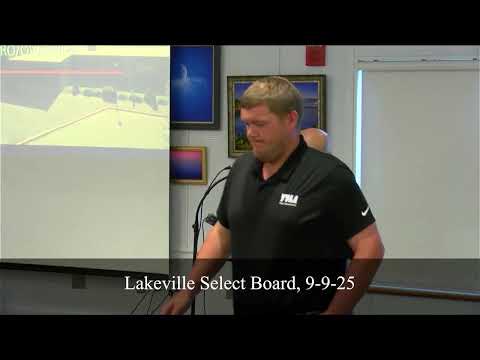
LAKEVILLE, Mass. — The Old Colony School Building Committee presented a schematic-design plan for a new regional vocational-technical high school to the Town of Lakeville Select Board and Finance Committee on Sept. 9, outlining a $288 million total project budget, a state grant projection of just under $130 million from the Massachusetts School Building Authority (MSBA) and a district share of about $159 million to be split among the five sending towns if voters approve the project on Nov. 18.
“This is just a milestone,” Shirley Burke, chair of the Old Colony school building project committee, said at the Sept. 9 meeting. “We are not at the end of that journey.”
The plan would replace the 50-year-old Old Colony facility, expand enrollment to 776 students and add three programs — plumbing, HVAC and dental assisting — that the building committee said align with regional labor-market demand. Presenters said the existing facility has systems beyond their useful life, lacks water redundancy and fire protection, and falls short of current state space standards for vocational programs.
The project is advancing through the MSBA process. Walter Hartley, owner’s project manager with PMA Consultants, told the meeting Old Colony completed schematic design and submitted materials to the MSBA on Aug. 28 and is seeking MSBA approval at the board of directors’ meeting on Oct. 29. If MSBA and voters approve the plan, the design schedule calls for three more submissions to the MSBA over about a year, bidding, a 2027 site start and an expected occupancy around September 2029.
Why it matters: the MSBA reimburses eligible project costs but applies cost caps and excludes some site and program costs. Chad Curtin of PMA presented the district’s reconciliation of options and said the building committee pursued a cost-effective technical-high-school design that nevertheless runs above typical MSBA per-square-foot caps because vocational shops require more specialized space.
Project cost and funding: presenters gave these figures for the preferred schematic design: a total project budget of $288,000,000; construction-only costs of about $226,000,000; a projected MSBA maximum district grant of just under $130,000,000; and a remaining district share of slightly more than $159,000,000, which would be split among the five member towns based on their enrollment shares. Curtin said the project team carried roughly $17,000,000 in design-and-pricing contingency at schematic level and that final project cost will be locked only after the MSBA and district execute a project scope and budget agreement.
On tax impact, presenters used Lakeville’s average single-family assessment of $572,000 to illustrate potential effects: the team reported an estimated rate impact “79¢ for a new build or 67¢ for a repair scenario” for that illustrative assessment. The presentation and a project website tool allow homeowners to input assessed value for town-specific estimates.
Design, sustainability and program changes: Tina Stanislawski of HMFH, the architectural firm, described a new on-site building organized around a central hub with program wings, clustering related vocational shops and adding the three programs. The base project includes a 1.25-megawatt solar array the team estimates would meet about 50% of the building’s electric demand and a ground-source (geothermal) heating and cooling approach the team said shows life-cycle cost advantages when incentives are applied. Curtin said the inclusion of ground-source heat pumps and related incentives is estimated to yield approximately $11,000,000 in rebates.
The team also noted tradeoffs under consideration: doubling solar to 2.5 megawatts to approach fully renewable energy would add roughly $11,000,000 to the project and raise financing costs; roof area and ISO New England interconnection procedures complicate large rooftop arrays.
Admissions and enrollment effects: Aaron (identified at the meeting as the district superintendent) said Old Colony currently receives about 300 applications for roughly 150 slots and that the district studied enrollment scenarios from about 560 up to 810 students before selecting a 776 enrollment target. He also said that state guidance now requires use of a lottery for admissions rather than previous multi-criteria selection, and the district is exploring a possible three-year average or town-by-town lottery pilot to reduce unpredictability for member-town budgeting.
Public questions and board discussion: several committee members and residents pressed presenters on the tax and budget implications. A resident warned that even if an aggregate vote passes with 51 percent across the five towns, individual towns that oppose the project could face a later debt-exclusion question; presenters and town officials said debt-exclusion ballots are handled by each town and cannot be the same single ballot question as the MSBA project approval. Presenters said Old Colony will cover the municipal costs of holding the Nov. 18 election; the debt-exclusion decision and timing would remain a town-level choice.
Risks if voters reject the project: presenters and committee members noted if the Nov. 18 vote fails the district would lose the MSBA reimbursement opportunity for the proposed scope, and feasibility costs already spent (presenters said roughly $1 million had gone into feasibility) would not be reimbursed by the MSBA. The MSBA’s failed-vote policy allows districts to request permission to try again under certain conditions, but the project team warned of possible increased costs if the district re-enters the process later.
Next steps: presenters listed a community outreach schedule through the Nov. 18 vote date and a project website with a tax-impact calculator. The MSBA board meeting on Oct. 29 was identified as the date the board could authorize the district to enter a project scope and budget agreement, which the presenters said is necessary to lock the MSBA grant amount.
Votes at the Lakeville meeting: there was no formal vote on the Old Colony project itself. The select board later moved to adjourn the Sept. 9 meeting; the motion to adjourn was made by the select board chair (name not specified in the record), seconded, and the roll call recorded Select Board members Candida (Y) and Carboni (Y).