Get Full Government Meeting Transcripts, Videos, & Alerts Forever!
Get email alerts on the Public Safety Cameras topic
No spam. Unsubscribe anytime.
Waukesha police accept $20,000 Woodman’s donation to add three Flock safety cameras
Summary
The finance committee unanimously approved accepting a $20,000 donation from Woodman’s to fund three additional Flock (automated license-plate) cameras and to modify the city’s contract with Flock; the donation covers purchase, installation and two years of service for the cameras.
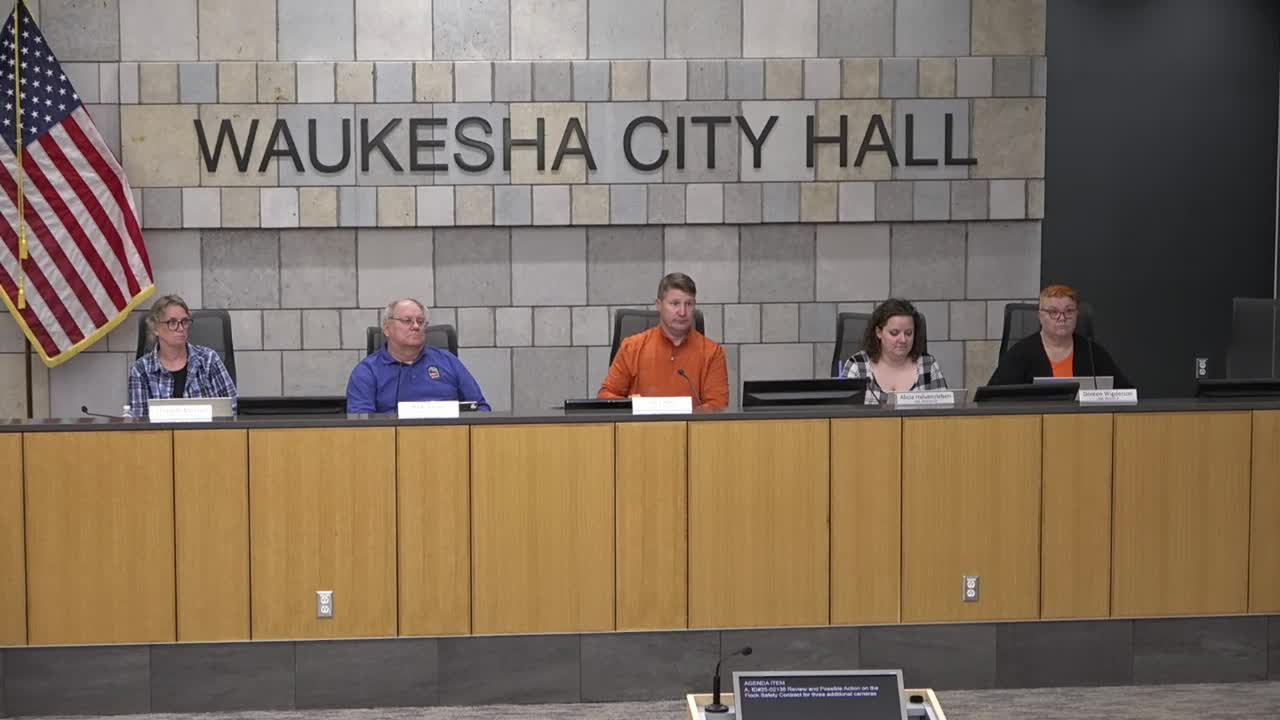
The City of Waukesha Finance Committee voted unanimously Sept. 9 to accept a $20,000 donation from Woodman’s and to modify the city’s contract with Flock to add three automated-plate-reader cameras.
The donation will cover purchase, installation and two years of service and storage for the three cameras, Waukesha Police Department leaders told the committee. Lieutenant David Daley said Woodman’s asked only that the cameras “be used as a benefit to the area around Woodman’s, not just Woodman itself.”
The committee’s approval increases the department’s Flock camera count from 19 to 22. Assistant Chief Tom Wagner described the existing cameras as “a hugely successful tool” that “has been used by multiple people every day” to help solve crimes.
Why it matters: the donation pays for the additional cameras and the associated storage costs for two years, reducing the short-term budget impact on the city. Committee members asked how ongoing costs would be handled after the two-year period; Wagner said the city would have 30 days at the end of that period to decide whether to keep cameras and pay future fees or to allow Flock to uninstall them.
Committee discussion and conditions: several alderpersons voiced support for the donation and praised the system’s results. Alderman Crazine said the donor’s request that cameras serve the surrounding area raised a concern about a business trying to direct camera placement; police leaders said Woodman’s intended only a general-area benefit and that the department would “strategically place these cameras so that we can maximize the benefit.”
Motion and outcome: the chair moved to accept the $20,000 donation and to modify the Flock contract; Alderperson Helbin Slaven seconded. The committee approved the motion by unanimous voice vote.
Context and next steps: staff will accept the donation, amend the Flock contract as authorized and coordinate camera placement with Flock and affected stakeholders. The department noted that if the city chose not to continue paying after the two-year period, Flock would uninstall the cameras.
Ending: The city will add three cameras to its Flock deployment, paid for by the Woodman’s donation; future operating costs after the two-year period remain a council/administration decision.