Get Full Government Meeting Transcripts, Videos, & Alerts Forever!
Get email alerts on the Affordable Housing topic
No spam. Unsubscribe anytime.
Council agrees to continue Gateway project item to allow community review and preserve tax-credit deadline
Summary
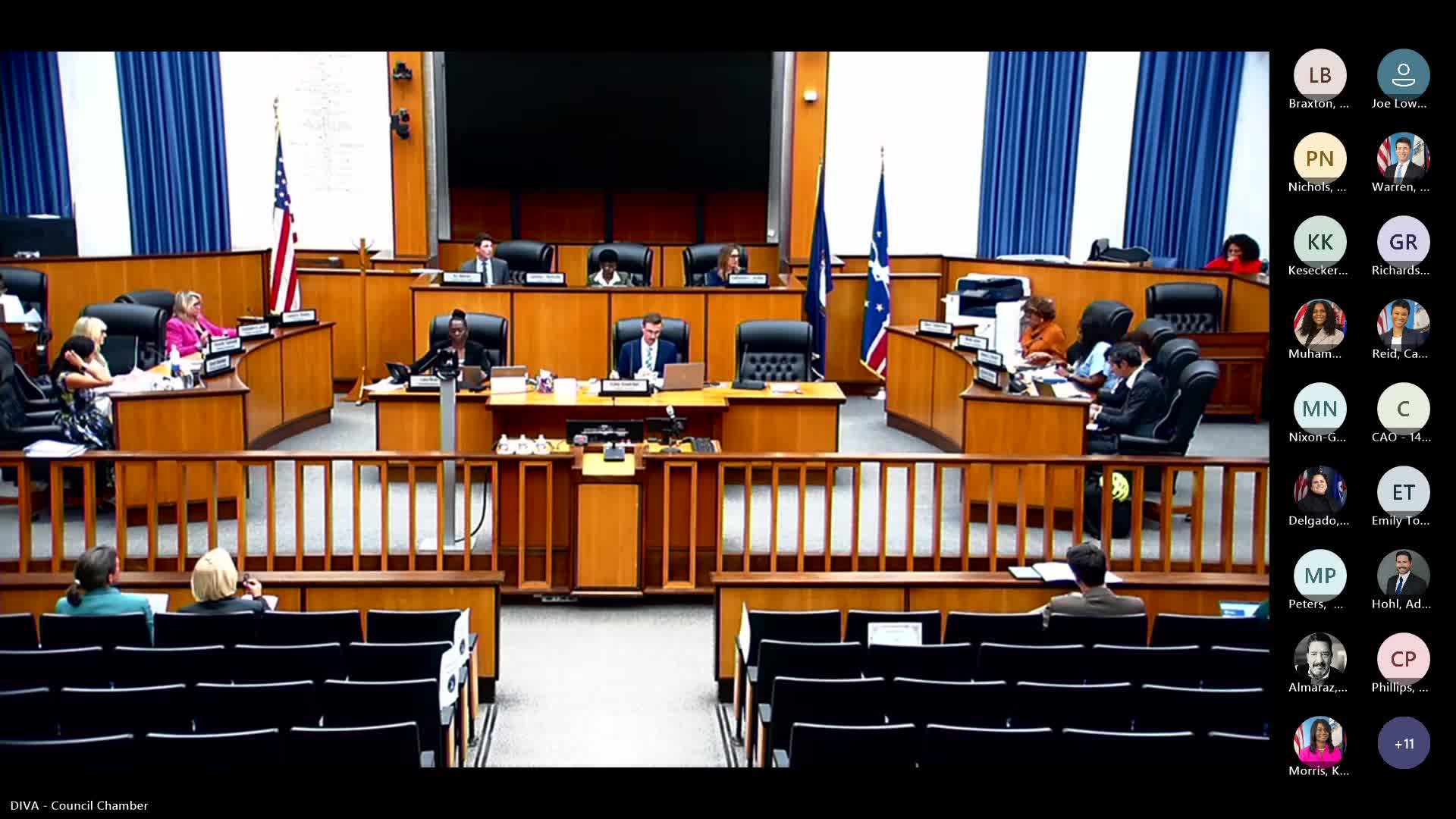
Richmond City Council’s informal session on an affordable housing project in the Third District resulted in a continuance to Sept. 22 so the developer and district councilmember can hold more community conversations while preserving a narrow state low-income housing tax credit application window.
Councilmember Robertson requested clarity and additional time on an agenda item tied to a Third District affordable-housing project, and the council agreed to continue the item to the Sept. 22 formal meeting to allow more community dialogue and avoid jeopardizing a state low-income housing tax credit application.
Councilmember Robertson said the project — described in the docket as a visible Gateway project within the district — has been developing financing for more than a year and that she was new to some of the details only after the matter reached the Planning Commission. “The application has to be submitted ... I think it's October 12 or fourteenth,” Robertson said, adding the timeline was tight and that she had asked the developer to reach out to the district councilmember to resolve outstanding questions.
Councilmember Gibson said she would be amenable to continuing the item to Sept. 22 if that date would allow time for both community discussion and submission to the state. After that exchange the clerk announced: “Item number 21, ordinance 2025-173, will now be continued to the September 22 council meeting.”
Why it matters: Richmond’s access to state low-income housing tax credits is time-sensitive; missing the application window can delay financing for months or another funding cycle, according to council comments. The continuance preserves the city's option to approve the project in time for the developer to submit the state application while allowing the district-level conversation Robertson requested.
What happened next: Councilmembers discussed the scheduling trade-offs and confirmed the continuance; the developer was asked to contact the district councilmember directly. No formal vote on the underlying ordinance was recorded in the informal session excerpt provided.
Details and next steps: Councilmembers asked staff to coordinate follow-up conversations with the developer and to confirm whether the Sept. 22 schedule will meet the state's application deadline. The precise October submission date was described in the meeting as “October 12 or 14”; staff were expected to verify the exact deadline before the formal docket review.