Get Full Government Meeting Transcripts, Videos, & Alerts Forever!
Get email alerts on the Guardianship Licensure topic
No spam. Unsubscribe anytime.
Michigan committee hears package to license professional guardians, with lawmakers and experts urging statewide oversight
Summary
The Michigan House Families and Veterans Committee heard testimony on a three-bill package that would require state licensure and oversight for professional guardians and conservators, sponsors and witnesses said.
The Michigan House Families and Veterans Committee heard testimony on a three-bill package that would create statewide licensure and oversight for professional guardians and conservators, sponsors and witnesses said at a committee hearing in Lansing.
Representative Schmaltz, the sponsor who introduced the package alongside Representatives Jimmy Wilson and Kurt Vanderwall, said the bills would "put some common sense guardrails into Michigan's guardianship system" and establish a licensing regime administered by the Michigan Department of Licensing and Regulatory Affairs (LARA). Schmaltz told the committee the package would require professional guardians who serve three or more unrelated wards to obtain a state license, pass the Center for Guardianship Certification exam, submit to criminal background checks, carry professional liability insurance and complete continuing education.
Supporters said the current system leaves vulnerable adults exposed to neglect and financial abuse because there is no statewide credentialing or consistent oversight. Georgia Callas, president of the Michigan Guardianship Association, told the committee: "We need to finally shut the door on criminals who prey on Michigan's most vulnerable." Callas and other industry witnesses described licensing as a way to provide a public complaints process and a searchable roster of licensed guardians.
Testimony described how the proposals would work in practice and the gaps they aim to fill. Dr. Bob Powell of Family Service and Children's Aid (Jackson County) said his agency operates guardian services and prefers to avoid guardianship where possible, describing guardianship "as a last resort." Powell said his program currently serves about 250 individuals with a staff of seven and that only two staff members hold national certification, producing very large caseloads for certified guardians.
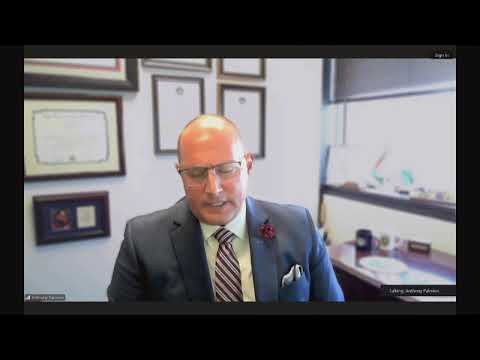
Experts from other jurisdictions recommended additional oversight mechanisms. Anthony Palmieri, deputy inspector general and former chief guardianship investigator in Palm Beach County, Fla., described a clerks-led auditing and investigative system that has identified abuse and led to criminal prosecutions. "The absence of the findings doesn't mean the absence of fraud," Palmieri said, arguing statewide licensure and uniform oversight reduces venue-shopping by bad actors and supports local courts.
Committee members questioned sponsors and witnesses about specifics that remain unresolved in the bill text and in practice. Representatives asked about who appoints the proposed licensing board (the chair clarified the board would be appointed by the governor), how continuing education hours would be tracked and who would pay for the licensing system. Guardianship providers warned that existing Medicaid payments to guardians (an $83 monthly Medicaid fee for some nursing-facility clients, witnesses said) do not cover current costs and that the bill will impose additional financial and administrative burdens without dedicated funding.
Members also raised monitoring and reporting issues: witnesses said guardians currently submit accountings to probate courts but that courts and local practices vary widely. Dr. Powell said his agency files accountings to the court and "we do not" notify the court before a property sale. Steve Burnham, retired Kalamazoo probate court register, described how Kalamazoo County implemented intake, investigation and in-person monitoring that reduced problematic appointments locally and urged statewide standards and a searchable database so persons removed from one jurisdiction cannot relocate and repeat abuses elsewhere.
No committee votes were recorded on the bills during the session; the hearing record shows extensive testimony and committee questions and that the committee took testimony on HB 4727–HB 4729 and then adjourned. Representative Wozniak moved to adopt the minutes at the start of the meeting; that motion was approved.
The hearing drew a mix of professional guardians, court administrators, advocacy organizations and out-of-state experts who urged the Legislature to pair licensure with funding and stronger court monitoring to make the reforms effective. Sponsors said the bills are intended to apply to professional, paid guardians and not to family members serving as guardians for relatives.
Committee staff and sponsors did not announce final amendments, a vote date, or funding sources during the hearing; further committee action would be required before any statutory changes take effect.