Get Full Government Meeting Transcripts, Videos, & Alerts Forever!
Get email alerts on the Disciplinary Hearings topic
No spam. Unsubscribe anytime.
Legislation allows Connecticut nursing board to use DPH hearing officers and three-member panels for hearings
Summary
A recent law gives the Board of Nursing two new options for disciplinary hearings: DPH hearing officers for cases that don’t require nursing expertise and three-member board panels for cases that do. The board would still review proposed decisions before final action.
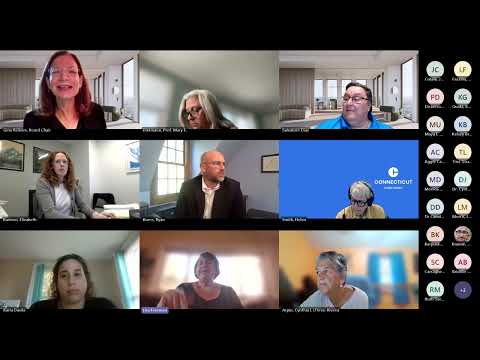
A provision passed in the most recent legislative session lets the Connecticut Board of Nursing use Department of Public Health (DPH) hearing officers or three-member board panels to conduct disciplinary hearings, board legal staff told members.
The change adds two optional procedures to the existing process in which the entire board hears cases. Attorney Ryan Burns, deputy legal director for the DPH hearing office, told the board the new options are not mandatory but intended to reduce member time commitments and help preserve the quality of hearing records for potential appeals. “These are options for the board to use. They’re not mandates,” Burns said.
Why it matters: Board members have repeatedly said full-day hearing calendars make it hard to recruit and retain members. DPH and the AG’s office framed the change as a way to shift administrative burden to staff trained to conduct hearings while preserving the board’s final decision-making authority.
How each option would work: under the hearing-officer model, DPH hearing officers would run the hearing—handling notice, evidence, and drafting a proposed decision—then forward the full record and proposed decision to the board for final review and vote. Burns gave examples of case types he expects to route to hearing officers: drug diversion, substance-abuse matters and what the board referred to as “Nightingale” cases that primarily concern prelicensure education or remote-training deficiencies. “The procedure of the hearing, the notice, the accepting of evidence, and the drafting of a proposed decision would all happen through the hearing office. But then that proposed decision would then come to the board,” Burns said.
For cases that require nursing-specific expertise—Burns used standard-of-care matters as an example—the board could appoint a three-member panel of board members to hear the case, draft a proposed decision, and then present that proposed decision and record to the full board for review. The panel approach could reduce quorum problems in long hearings because only the panelists would be required to stay for the entire proceeding, Burns said.
Board members asked about safeguards. Several members—including Mary Dieteman and Lisa Freeman—expressed concern that the board’s expertise must continue to shape outcomes for nursing-specific issues, especially the Nightingale-type education cases. Burns and chair Gina Reiner repeatedly stressed that any hearing-officer or panel decision would be a proposed decision that the full board could accept, modify or reject. “Any decision that’s issued either by a hearing officer or a board panel is just a proposed decision. You ultimately, every decision is gonna come before the board for a vote,” Burns said. Reiner said she strongly supports the change while emphasizing the board retains final authority.
Process and next steps: DPH proposed identifying cases suitable for hearing officers at intake and including statements of charges in the board packet before meetings so members can request that a particular matter instead be heard by the full board. Burns said no regulatory change is required because the legislature already clarified the board’s authority. If the board approves the operational procedures, hearings could be scheduled more flexibly, potentially reducing delays caused by quorum problems.
What the board said: members generally welcomed the proposal if safeguards hold. Mary Dieteman and others asked that the board remain able to direct that any specific case be heard by the full board. Attorney Liz Bannon of the Attorney General’s Office thanked DPH and the board for pursuing an alternative that could speed case resolution while preserving board oversight.
Ending: DPH and board legal staff will continue to outline the intake and notice procedures; board members asked staff to present a more detailed operational plan and to include case lists in meeting packets so the board can begin using the options without losing visibility into pending matters.