Get Full Government Meeting Transcripts, Videos, & Alerts Forever!
Get email alerts on the Elections Ballot Information topic
No spam. Unsubscribe anytime.
Somerville committee weighs opting into state law that would require mailed ballot guides; administration flags timeline and cost for 2025 election
Summary
The Somerville City Council Legislative Matters Committee on Monday considered a proposal to adopt Massachusetts General Laws Chapter 53, Section 18B so the city would mail a neutral voter guide with proponents and opponents summaries for any future local ballot questions.
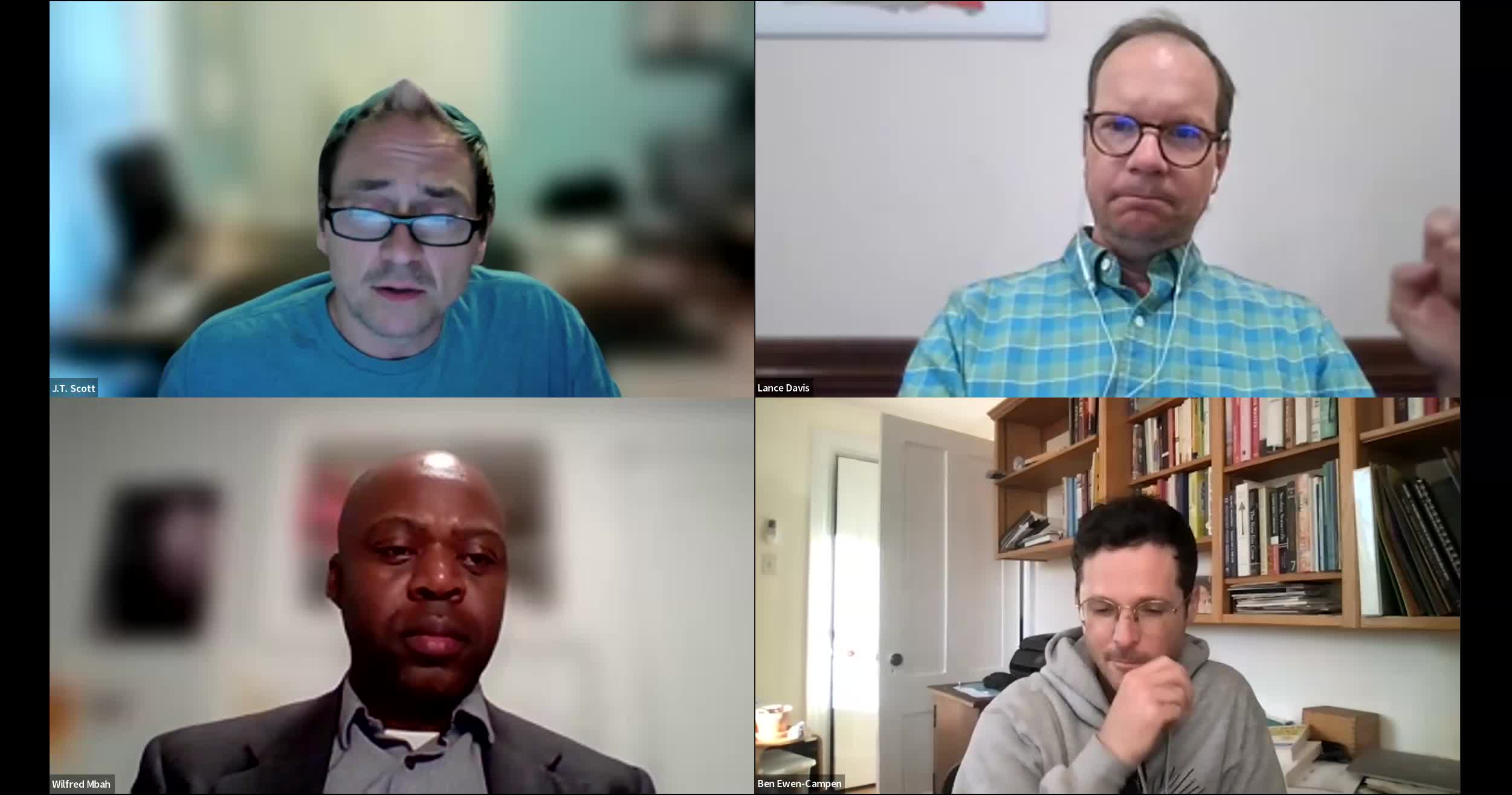
The Somerville City CouncilLegislative Matters Committee on Monday considered a proposal to adopt Massachusetts General Laws Chapter 53, Section 18B so the city would mail a neutral voter guide with proponentsand opponentssummaries for any future local ballot questions. Councilor Mbah sponsored the order and a longtime former elected official, Susan Connolly, urged the committee to approve the measure so voters would receive notice ahead of the November election.
The proposal matters because the statute would require a city to send each voting household a neutral summary and pro/con statements for any ballot questions, mirroring a state-level process. "This section of the state law defines a process of pre-election notification of citizens ... of the content and the for and against arguments whenever any ballot question initiated by a government body will appear on election day," Mbah said when introducing the item.
Administration officials told the committee they share the goal of informing voters but said adopting the statute and mailing a guide cannot be implemented for this year's election. "It is our opinion that adoption and implementation is not feasible for this year's election cycle," Director Singh of the mayor's office told the committee, adding the elections department and the law department raised timing, neutrality and budget concerns.
Elections staff described the timing conflicts that drive that assessment. Megan Arruda, an elections staffer, said ballots and related mailings are already scheduled under statutory timelines and that the text of any ballot question may not be final until the state has acted. "If the charter is not approved through the state house until the thirtieth, that's also the date that the question's text ... is due to our office," Arruda said, noting the city would need to prepare summaries of multiple questions and that the administration estimates approximately 33,000 households would need a mailing.
Officials also discussed cost and campaign-finance constraints. Commissioner Salerno and the law department both flagged that mailings to every household raise budget questions and that the Office of Campaign and Political Finance (OCPF) guidance restricts use of public resources for materials that advocate for or against ballot questions. Solicitor Amara said the city could provide neutral information by other means but that a mass mailing to all households is specifically constrained without adopting the statute. "We cannot do mass mailings; we can put information on the website or distribute flyers at meetings, but we cannot mail everyone anything unless the statute's accepted," Amara said.
Committee members voiced support for the idea in principle but split on whether to adopt the statute in time for the upcoming election. Several members stressed the difficulty of meeting early-voting timelines and producing neutral pro/con statements in the time available. Councilor Ewenkampen said he supported the policy goal but did not think it could be implemented for this election without risking an "ugly mishap." Councilor Davis asked the administration to produce a concrete voter-education plan that complies with OCPF rules if the statute is not adopted.
Public commenters pushed for adoption this year. Susan Connolly, introduced as a longtime elected official involved in prior charter work, told the committee residents deserve mailed information about a significant charter change and questioned why the city had not planned earlier. "If it's worthwhile, it should be taken the time, and it should be set up," Connolly said.
After deliberation, the committee voted to discharge the item to the full City Council without a committee recommendation so the full Council can consider the ordinance at its next meeting. The committee recorded a 4-0 vote in favor of discharge with one member absent. The committee also placed a related public communication on file.
The administration said it will continue to work on a voter-education plan that complies with state campaign-finance rules and indicated it may return with implementation options for future elections. Committee and staff members agreed to follow up with legal research on whether an adoption could carry a delayed effective date that would not affect the pending charter questions. No final decision on adoption or a funding source for a mailing was made at the committee meeting.