Get Full Government Meeting Transcripts, Videos, & Alerts Forever!
Get email alerts on the Research School Participation topic
No spam. Unsubscribe anytime.
Researchers seek after-school participation in child social perception study; district requires standard privacy and fingerprinting acknowledgments
Summary
Researchers from Bryant University requested to recruit fourth- and fifth-grade after-school students for a study about children’s perceptions of healthy and ill peers; administrators asked for written assurances on privacy and background checks.
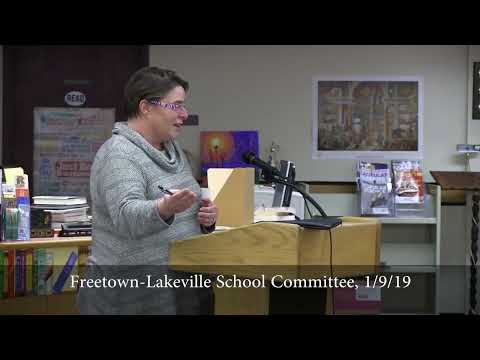
Doctor Jane Nash, a researcher working with a colleague at Bryant University, presented a request to conduct a study with fourth- and fifth-grade students in the district extended-day program. The study uses short fictional vignettes and questions about peer attitudes toward illness and includes a video clip from a therapeutic camp as part of the debriefing.
Nash said the study protocol cleared an institutional review board and that participation involves parent consent and child assent. She described study logistics: sessions of about 15–20 minutes during after-school programming, use of tablets and headphones to present material and parental incentives via a gift card. She clarified that children receive a small token (a slinky) and parents would receive the gift-card incentive; the committee requested the token distribution be handled so that children whose parents withhold consent are not visibly differentiated.
Committee members and administrators asked that researchers provide written confirmation they will comply with district student-data privacy procedures and with CORI/fingerprinting requirements for any adults working with students. The committee did not take a vote; administrators said they would treat the presentation as informational and follow up with required documentation and an enrollment update showing how many families consented.
No student names or screening results were discussed publicly; staff emphasized the program will only enroll children whose parents provide consent and who provide informed assent.