Get Full Government Meeting Transcripts, Videos, & Alerts Forever!
Get email alerts on the School Governance topic
No spam. Unsubscribe anytime.
Commission debate over school board alignment stalls; vote deferred to Sept. 22
Summary
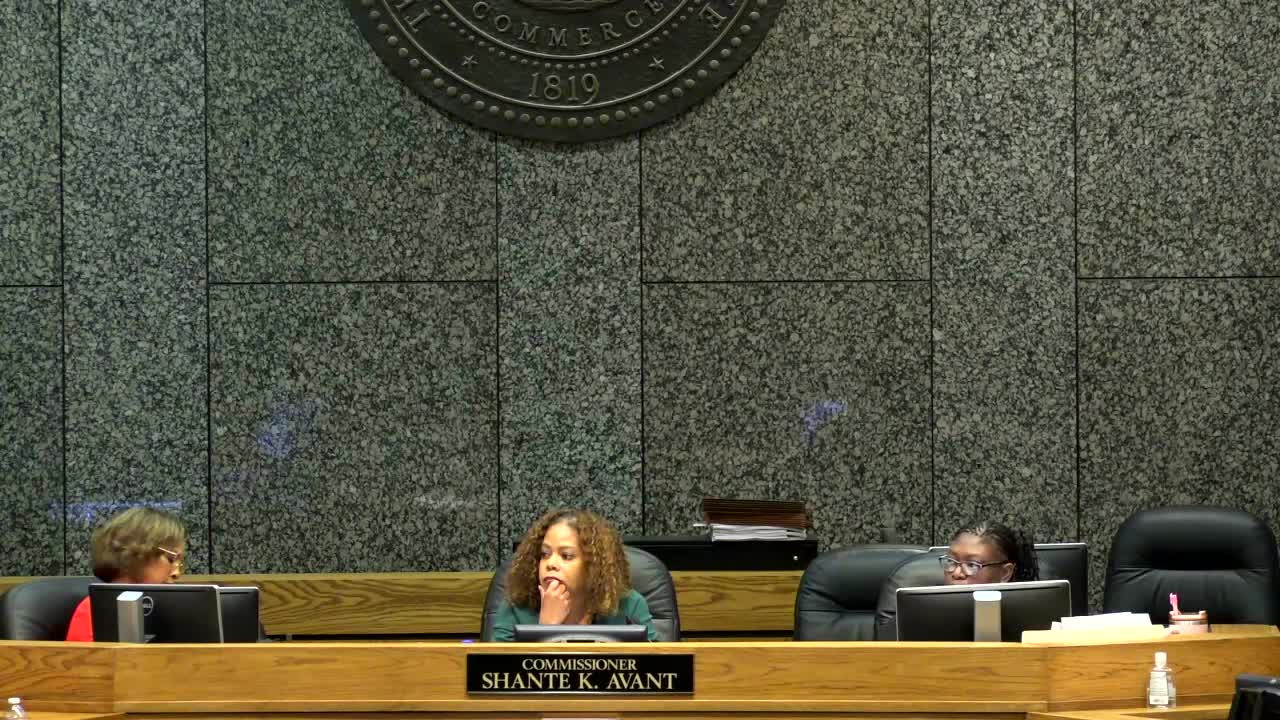
After heated public testimony and debate, the Shelby County Commission failed to adopt a substitute on aligning Shelby County School Board elections and instead voted to defer final action to Sept. 22 so absent commissioners and additional review can be included.
The Shelby County Board of Commissioners debated whether to align elections for the Shelby County Board of Education with county commissioner elections and when any alignment should take effect.
Background: Earlier in the meeting the commission agreed to institute term limits for school board members; the separate question was alignment timing — whether to start in 2026 (next county election cycle) or in 2030 with staggered terms. Commissioners and many members of the public offered passionate, conflicting views about voter rights, continuity of governance and whether a shortened term for newly elected board members would constitute improper disenfranchisement.
Public testimony was extensive and emotional: parents, community organizers, school employees and elected officials urged both sides of the issue. Supporters of alignment in 2026 argued voters should have the chance to weigh in sooner; opponents said re‑opening recent elections to a new vote would undercut recent ballots and raise legal questions. State election staff and the county attorney were consulted on the record about the legal effect of alignment and whether recall or other statutory paths would be appropriate.
On procedure: a substitute to set alignment in 2026 was moved but failed on a tie vote (6–6). After further debate, the commission agreed to defer the item and consider it at the Sept. 22 commission meeting so commissioners who were absent and further legal and procedural questions could be addressed.
Ending: Commissioners said the topic deserves more study; some urged a future referendum or legislative action to add a recall process, but the commission has no unilateral authority to create statewide recall powers.
Note: This is separate from previously passed term limits; the current action is on the timing/alignment for implementing those limits.