State Board OKs up to $4.5M for Nebraska Literacy Leadership Network after board questions cost and scope
Loading...
Summary
The State Board of Education authorized the commissioner to approve a contract to implement a Nebraska Literacy Leadership Network, approving up to $4.5 million for the program after board members pressed staff for details on cohort size, vendor costs and reporting requirements.
The Nebraska State Board of Education on Sept. 5 authorized the commissioner to approve a contract for the Nebraska Literacy Leadership Network, approving up to $4,500,000 in grant-funded spending to support intensive leadership training aimed at improving early literacy instruction.
Board members pressed staff for details about the size and cost of cohorts and how progress will be tracked. Lane Carr of the commissioner’s office told the board the department originally designed the effort for 75 leaders per year, but that number was negotiable in the first year. NDE staff later explained the vendor’s proposal was costed to serve up to 89 schools with roughly four participants per school, which would amount to about 356 participants in the initial year rather than 75.
Why it matters: The authorized amount is a large, out-of-budget infusion for an intensive leadership program the board described as “a significant investment.” Board members said they want regular reporting and measurable evidence of impact because the funds were not part of the agency’s base budget.
Details of the proposal and debate NDE staff said the contract would fund intensive professional learning and on-the-job coaching for school leaders; the vendor proposal presented to staff was costed at roughly $33,000–$36,000 per school and, as proposed, would total about $2.9 million for the vendor’s base design. Ryan Foer, an NDE staff member working on the project, told the board the department sought authority for up to $4.5 million so it would have flexibility to negotiate if the vendor could serve more schools than in the initial proposal. Foer said the department’s original grant application to a private funder (the application sought up to $5 million per year) supported asking for up to $4.5 million.
Lane Carr said the department’s initial design anticipated 75 leaders per year but acknowledged the final participant count would depend on negotiations and cohort structure. Board members pressed on per-participant cost given the different participant-count scenarios; board members asked for regular reporting and for the program to move from activity-based updates early on to more outcomes-based reporting as the project matured.
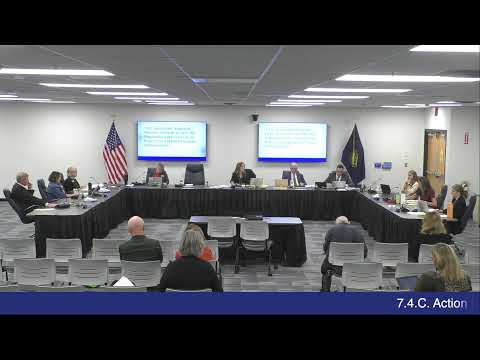
Board action and oversight The motion to authorize the commissioner to approve the contract passed on a roll call vote with seven affirmative votes and one absence. Committee discussion and staff comments referenced the Sherwood Foundation–aligned grant framing used in the department’s proposal documents; NDE staff said any contract amount below the board-authorized cap would be brought back to the board as required.
Next steps NDE staff said they expect the program to begin with an initial cohort and to provide monthly reporting early in implementation, shifting over time to outcome reporting tied to literacy measures. Board members requested future updates that show how participant training translates to student literacy outcomes.