Get Full Government Meeting Transcripts, Videos, & Alerts Forever!
Get email alerts on the Homebound Meals And Senior Relief topic
No spam. Unsubscribe anytime.
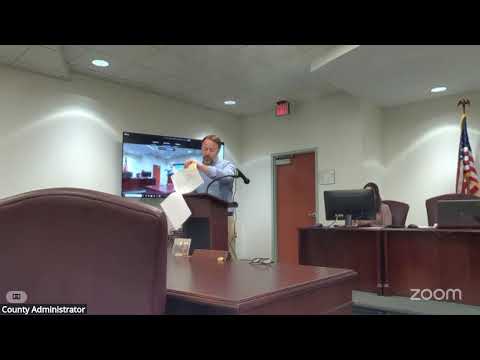
Greene County committee weighs homebound meals, volunteer checks and transfer of senior relief funds
Summary
At a Sept. 8 Greene County committee meeting, residents and staff discussed possible central-kitchen options for homebound meals, temperature and container concerns, and a plan to move the county's Senior Angels and veteran relief funds to the Health Care Consortium for administration.
Greene County committee members, staff and residents discussed the county's homebound meals program and the county's plan to transfer the Senior Angels and veteran relief fund accounts to the Health Care Consortium during the committee meeting Sept. 8.
The most detailed public comment came from a resident who said she had follow-up questions from a July workshop and asked the county to show a full cost comparison between the county-run homebound meals and outside vendors, including any management costs. "This is my first time ever doing anything like this," the commenter said.
County staff said the program changes remain under discussion and that no final decisions have been reached. "It is all it's still in discussion," a staff member said. Staff confirmed a central kitchen located elsewhere has been discussed as one option but emphasized that the county has not decided whether to close local meal sites or move production. The staff member said using a central kitchen would require improvements to the existing administrative building to support a cooking facility.
The public commenter and staff discussed how volunteers provide daily wellness checks during meal delivery. The commenter described volunteer visits as a low-cost way to monitor well-being; she said one volunteer can visit 12 to 15 people in about 90 minutes, allowing brief wellness checks and social contact for homebound residents. Staff did not dispute that volunteers perform welfare checks but cautioned that volunteers are not medically trained.
Several attendees raised concerns about meal temperatures and the food containers currently used. A staff member acknowledged reports of temperature problems on longer routes and said staff would investigate the issue in an upcoming meeting. Staff also noted supply and contracting constraints: metal trays used in the past were less microwave safe but available in large bulk orders; newer trays were introduced in recent years and long-term supply could be a contract issue.
Separately, county staff described a plan to transfer the Senior Angels and veteran relief donation accounts to the Health Care Consortium. Under the plan, the county will continue to accept donations but will forward them to the consortium, which already manages similar support funds. A county staffer said one county employee would sit on the consortium's committee and that the county could reclaim control of the funds if needed. Staff said the existing bank balances would be transferred and that future donations would be forwarded on a monthly or bimonthly schedule. The staff member characterized the transfer as a way to avoid perceived conflicts when county employees decide charitable payouts.
No formal vote was recorded on the homebound meals or the fund transfer during the meeting. Staff and legislators said the items remain under discussion and that more information would be provided as proposals are developed.
The meeting moved from county services to other agenda items after the discussion.