Get Full Government Meeting Transcripts, Videos, & Alerts Forever!
Get email alerts on the Airport Operations topic
No spam. Unsubscribe anytime.
Lock Haven residents press council over airport fees, fence and access after multi-year dispute
Summary
Residents and hangar owners urged the Lock Haven City Council to resolve a multi-year dispute over tie‑down fees, temporary fencing and access to the municipal airport; council members said an agreement was offered and that federal and state aviation agencies directed installation of a city‑owned fence.
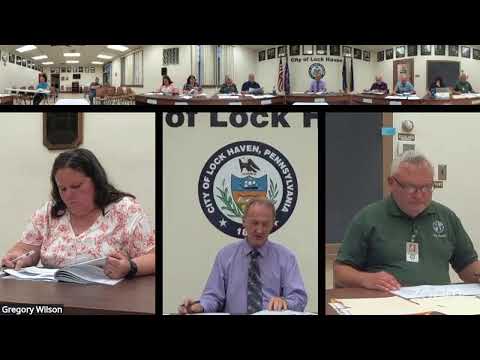
Residents and hangar owners pressed the Lock Haven City Council on longstanding disagreements over airport tie‑down fees, temporary fencing and access during public comment at the council's September meeting.
The dispute centers on a set of fence and access rules the council says were required by the Federal Aviation Administration and the state Bureau of Aviation. “It's been 2 years, almost 2 years, maybe a little over 2 years, since we started the process on the [events],” Resident Niles said, calling the situation “costly for the city” and saying hangar owners had lost goodwill and previously provided unpaid maintenance at the field.
The council said it has offered a written agreement and that the city and county are near forming a joint authority to operate the airport. Mayor Long said council has “gone to the county. We have got an agreement with the county that we are trying to get solidified, and we have gone to the FAA.”
Why it matters: the disagreement has budget and operational implications for the city. Council members said the airport operates at a loss and federal and state grants are being used to secure the field; residents warned that continued high charges risk driving private users away. The council also warned that failure to sign the offered agreement could result in locked access for some property owners.
Council and commenters described several concrete points of contention. Resident Niles and other hangar owners argued that if the city had applied FAA tie‑down fee guidelines earlier, the airport would have collected more revenue. Niles proposed arbitration paid by the parties, saying hanger owners were willing to accept an arbitrator's decision. Council members rejected arbitration in favor of the written agreement: “We have a solution. It's been given to you and you don't like it,” Mayor Long said. Several council members said they were not willing to fund or pursue arbitration.
Council also cited an FAA and Bureau of Aviation finding that the airport was not secure while a temporary orange fence remained down. Council said the state and federal agencies have directed installation of a city‑owned fence, and that federal and state grant funds will pay for the work. “The bureau specifically asked you, who took the fence down then?” a council speaker said during the exchange. The speaker said no one answered and characterized the missing temporary fence as proof that the airport was not secure.
Commenters pushed back that the airport serves more than hangar owners: museum visitors, spraying operations and other users were cited as broader beneficiaries of the field. “Somewhere around 3,000 guests came in and used the airport to visit the museum,” one commenter said, arguing for the airport's positive economic impact.
No formal council action was recorded on the record at this meeting to change fees; council repeated that the written agreement is the path to continued access and that new, permanent fencing will be installed consistent with FAA direction. Council members said the city is pursuing a joint county–city authority to manage the airport, and that failing to sign the offered agreement could leave some property owners without access.
Looking ahead: council members said they will continue work on the proposed joint authority and on installing a permanent, city‑owned fence using federal and state grant funds. Several council members expressed frustration at repeated appearances on the topic and urged the participants to accept the written agreement to avoid further lockouts or enforcement actions.