Get Full Government Meeting Transcripts, Videos, & Alerts Forever!
Get email alerts on the Behavioral Health Homelessness topic
No spam. Unsubscribe anytime.
Bangor proclaims September National Recovery Month as residents urge more action on homelessness and substance use
Summary
At its Sept. 8 meeting the Bangor City Council proclaimed September as National Recovery Month. Several residents used the public-comment period to press the council for more housing, accessible treatment and long-term solutions for people experiencing substance use disorder and homelessness.
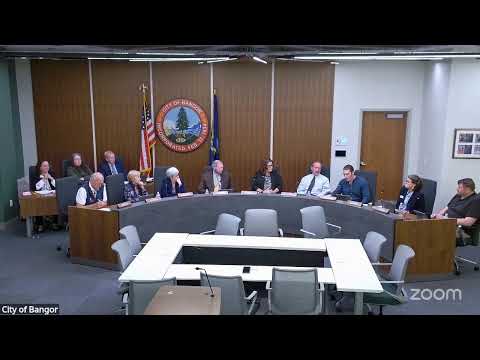
The Bangor City Council on Sept. 8 proclaimed September as National Recovery Month and heard extended public comment urging the city to prioritize homelessness and substance use disorder services.
Councilor Michael Beck read the proclamation, saying the observance “reinforces the positive message that behavioral health is essential to overall health” and noting statewide trends the proclamation cited: fewer overdose deaths in Maine in 2024 than 2023 and growing access to treatment and recovery supports. Beck presented the proclamation on behalf of Mayor Kara Pelletier and invited Scott Party, president of Fresh Start Incorporated, to accept it.
The move prompted several residents to speak during the public-comment period about gaps in services and city responses. Scott Pardee urged the council to “prioritize the crisis of homelessness and substance use disorder in Bangor above all other initiatives,” citing costs to taxpayers and the strain on public services. Pardee said investments in housing, treatment and mental-health services would reduce long-term financial and human costs.
Resident Susan Falloon thanked the council for the proclamation and said she has spoken with the fire chief, who told her the department responds to “five or six overdose calls a day.” She said stigma remains a barrier and asked the council to continue prioritizing resources for treatment and prevention.
Ricky Hall, a neighbor reporting on two vacant properties adjacent to his house, asked the council to help address overgrowth and waste he said have created rodent hazards near a school. The chair connected Hall with the city manager to route his concerns to code enforcement.
Jamie Beck, who identified herself as a Bangor resident and the mayor’s spouse, told the council she was “frustrated with the struggles” among homelessness service providers and warned that the city needs proactive, not reactive, planning for housing and warming centers. She said losing one warming center raised the risk of people dying outdoors again.
The council did not take formal policy action at the Sept. 8 meeting on new programs or funding specifically tied to the proclamation; the proclamation itself is a ceremonial recognition. Several speakers asked the council to direct staff to propose or accelerate housing and treatment initiatives; councilors did not announce new directives during the meeting.
The discussion came amid other agenda items at the Sept. 8 meeting that included ordinances, settlements and appointments. Residents who raised specific health or public-safety concerns were offered follow-up contacts with city staff for code enforcement or program information.