Get Full Government Meeting Transcripts, Videos, & Alerts Forever!
Get email alerts on the Historic Preservation Clock Tower topic
No spam. Unsubscribe anytime.
Residents urge council to preserve downtown clock tower as developers plan redevelopment
Summary
Dozens of residents urged Spartanburg City Council to preserve the bicentennial clock tower on Morgan Square during public comment, citing historic designation and the South Carolina Heritage Act; others supported removing the structure and displaying its historic elements as part of a new development.
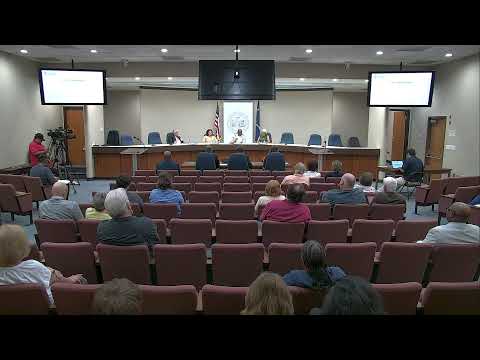
Dozens of residents asked the Spartanburg City Council on Sept. 8 to preserve the downtown bicentennial clock tower at West Main and Spring Street, a structure city residents say has stood since 1979 and sits within the city’s historic district.
The appeal came during the meeting’s public-comment period and was led by Kimberly Branch, who said the clock tower is “history, not a memory,” and asked the council to consider protections before development work begins near the site. Branch said she submitted a letter from the attorney general’s office and cited the Heritage Act and South Carolina Code Section 10-1-1165 in arguing the tower is entitled to statutory protections.
Why it matters: The clock tower occupies an island at Morgan Square and, according to several speakers, serves as a focal point for downtown events and civic identity. Speakers who identified themselves as long-time residents and participants in past preservation efforts said the site is listed in the city historic district and on the National Register of Historic Places and should be maintained in place rather than relocated or dismantled.
What speakers said: Kimberly Branch (resident) summarized archival material and a 1989 Spartanburg Herald-Journal article that she said recommended siting the bicentennial clock in Morgan Square; she told council, “this is history, not a memory.” Karen Lawson (resident) noted design guidelines stating new development should not overshadow historic properties in local historic districts. Don Bramlett (resident), by contrast, said the clock is 50 years old and supported relocating or incorporating the clock into the proposed new City-County administration building, saying “we need progress.” Bailey Wren (resident) told council she supports removing the tower’s structure and “displaying its historic elements for everyone to see” as part of a development that prioritizes walkability and shade.
Council response and context: City Manager Chris Story previously presented options for repositioning the tower at the Aug. 25 meeting and advised city staff is weighing development plans that include a new hotel and a joint city administration building that could affect the island where the tower stands. At the Sept. 8 meeting councilmembers did not take any formal vote on the clock tower; speakers were heard during public comment and council members acknowledged they would “follow up with quite a few of these concerns.”
Details cited in public comment: Speakers referenced archival newspaper coverage, city historic-district design guidelines, and a letter they said came from the attorney general’s office regarding the Heritage Act and Section 10-1-1165 of the South Carolina Code. One speaker said the bicentennial clock tower was erected in 1979 and that some council members had their names on a plaque in the structure from that project.
Next steps: No formal action was taken at the meeting. Residents asked the council to hear the topic formally and to ensure statutory protections are considered before any site work proceeds. Council members said staff would follow up on public comments.
Ending: The clock-tower remarks dominated the night’s public-comment period; council did not schedule a discussion or vote on the issue during the Sept. 8 session and made no immediate decision on retaining, relocating, or dismantling the tower.