
Upper Dublin education committee reviews math, science and assessment implementations; sets three-year professional development goals
Get AI-powered insights, summaries, and transcripts
Subscribe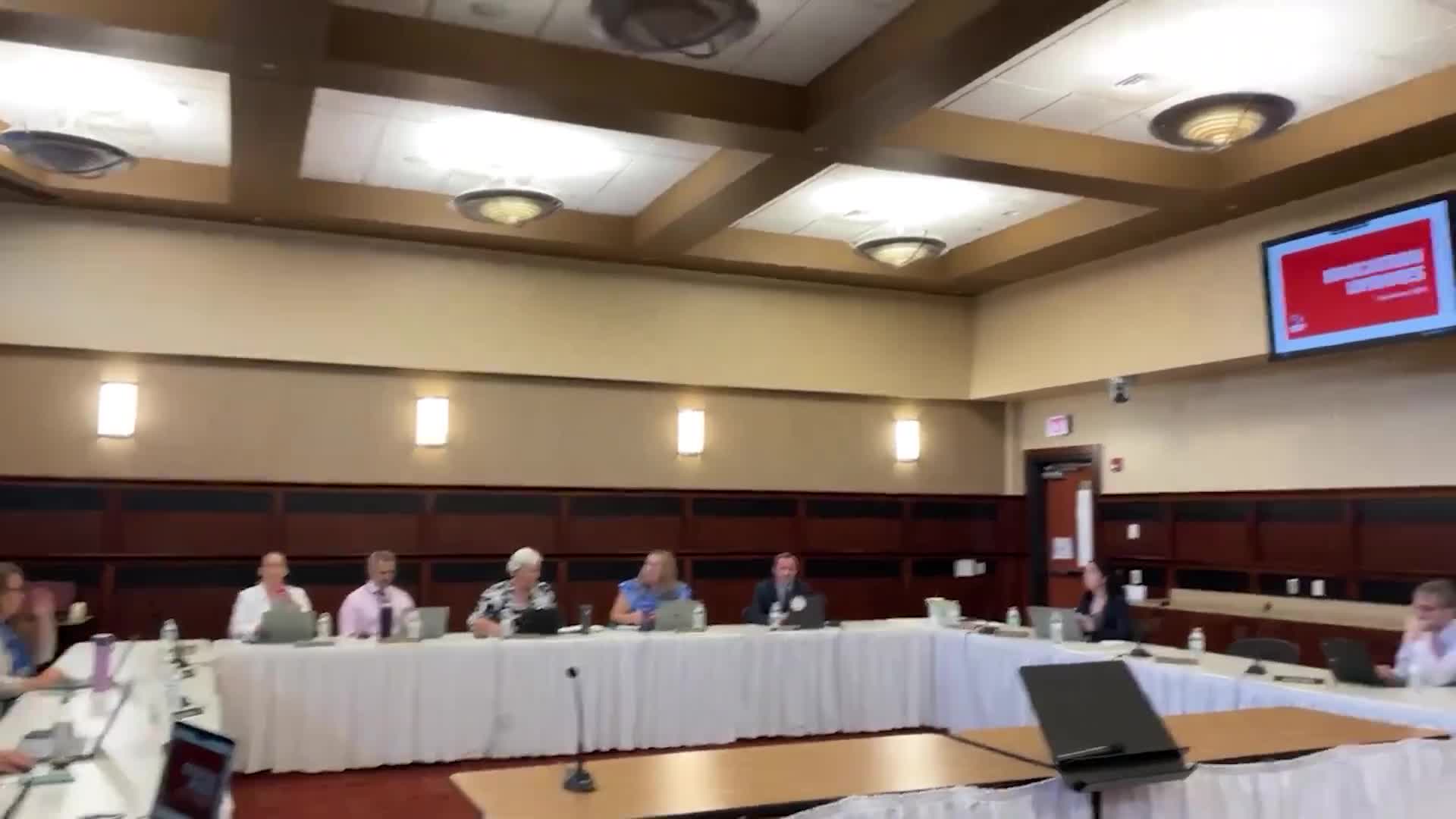
Summary
At its Sept. 3 Education Committee meeting, Upper Dublin School District staff reported on full implementation work for Illustrative Mathematics and FOSS science, rollout plans for the I‑Ready intervention/benchmark system, and district professional development goals tied to teacher evaluation data.
Upper Dublin School District’s Education Committee received updates Sept. 3 on curriculum implementations, assessment plans and a three‑year professional development strategy aimed at increasing instructional coherence and student engagement.
District staff reported that Illustrative Mathematics is now in use from the early grades through algebra and that elementary walkthroughs with coaches and partners from the University of Delaware informed professional development priorities. District staff said districtwide PSSA (Pennsylvania System of School Assessment) math scores increased overall in the elementary grades after last year’s implementation; grade 3 was noted as an exception and staff said they will examine alignment at that grade.
The district also moved from a pilot of the FOSS (Full Option Science System) elementary science program to a full K–5 implementation this school year. Staff said the FOSS pilot yielded positive teacher and student feedback and that administrators will continue classroom walkthroughs and unit planning to support teachers in shifting classroom practices toward student inquiry and standards-aligned science instruction.
Staff described I‑Ready as the district’s K–12 intervention and benchmark tool for the coming year. “The benchmark is the big part coming up for us, September and early October,” a staff member said, adding that the district is building building-level implementation teams and using a train-the-trainer model so teacher leaders can support colleagues. The I‑Ready platform’s built-in intervention and extension resources were cited as a key benefit.
The administrative presentation tied those curricular and assessment efforts to the district’s three professional development goals for the comprehensive plan: responsive instruction, coherent instruction (planning and lesson design), and engagement. District staff said baseline evaluation data come from the 2023–24 school year and that the plan sets incremental targets over three years. Staff described the district’s teacher-evaluation rubric scale in which a 3 indicates “distinguished,” 2 is “proficient” and lower values indicate “needs improvement” or “failing,” and said the goals aim to move observed lesson elements toward distinguished ratings in the selected domains.
Committee members asked about how rubric-scale changes would translate into classroom practice and how progress would be sustained after three years; staff said comprehensive planning restarts at the end of the three‑year cycle and that incomplete goals can roll into the next plan. Members also asked how coaches contributed to observed gains; staff credited coaches with unit “unpacking,” planning support and classroom modeling, and named the district’s coaching team as instrumental to last year’s implementation work.
The committee discussion included questions about alignment between elementary and secondary curriculum renewals and noted that some secondary areas had already been renewed, which is why the elementary FOSS work was now bringing the K–12 program into closer alignment.
Staff and committee members framed the curricular changes and assessments as part of a coordinated plan: use implementation monitoring (walkthroughs and data) to set PD goals, use I‑Ready benchmarks to set intervention priorities, and continue teacher coaching to support instruction.
The committee did not take formal votes on these curricular updates at the meeting; staff described next steps for monitoring and for supporting teachers during this school year.