Get Full Government Meeting Transcripts, Videos, & Alerts Forever!
Get email alerts on the Ombudsman Complaints Towing Fire Safety topic
No spam. Unsubscribe anytime.
Portland ombudsman flags fire-safety gaps, predatory towing and persistent homeowner liens in midyear report
Summary
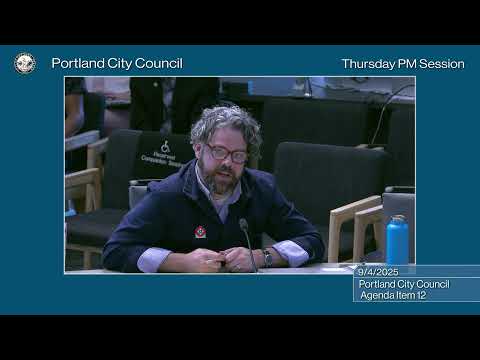
City Ombudsman Jennifer Croft told the Portland City Council on Sept. 4 that her office’s midyear work documented lapses in fire-safety plan documentation at the Cherry Blossom Townhomes, widely disparate private-request towing charges, and continuing liens on owner-occupied properties that remain at about $11 million.
City Ombudsman Jennifer Croft told the Portland City Council on Sept. 4 that her office’s midyear work documented lapses in fire-safety plan documentation at the Cherry Blossom Townhomes, widely disparate private-request towing charges, and continuing liens on owner-occupied properties that remain at about $11 million.
"I am the city ombudsman and I am glad to be here today to talk about what we've been up to in the first half of this year," Croft said during the presentation delivered with City Auditor Simone Reddy. Croft said the office is an independent, impartial advocate that takes complaints from anyone who feels the city has harmed them or treated them unfairly and that it sometimes elevates findings to deputy city administrators.
The ombudsman’s investigation of Cherry Blossom Townhomes, an affordable southeast Portland complex built by Habitat for Humanity, found that Portland Fire & Rescue poorly documented decisions during the plan-approval process and sent mixed messages to homeowners who raised fire-safety concerns. Croft said residents’ practice of parking on portions of access roads and sidewalks could impede emergency response and the office recommended steps for the homeowners association and a community meeting led by Fire to discuss access and response planning.
A separate inquiry into private-request tows — tows requested by private parties or officers rather than initiated under the city’s tow contract — found that the Bureau of Transportation’s towing contract did not cover all tows initiated by city bureaus. Croft described a case in which a vehicle owner paid about $1,700 to retrieve a car after a private-request tow; the office estimated that the tow should have cost roughly $500 under standard contract rates. The ombudsman recommended amending the city towing contract to cover all bureau-initiated tows so community members face standardized, transparent rates. Croft told council she has since learned the tow company identified in the investigation began voluntarily adhering to contract rates after the report was published.
Croft also highlighted a Water Bureau investigation in which the bureau agreed to stop charging return-payment fees and to credit accounts after the ombudsman found the fees disproportionately affected customers of limited means and, for three years, exceeded amounts allowed under state law. Croft said the Water Bureau credited more than 800 customer accounts and ceased the higher fees in the current fiscal year.
The ombudsman’s office said complaint volumes have grown: Croft reported roughly 300 complaints logged about the city in the first half of the year and an approximately equal number of non‑city referrals (cases routed to other agencies or resources). To increase transparency, the ombudsman launched a public dashboard that allows users to view and filter complaint data from the 2024 annual report.
Croft told council the office is continuing to monitor implementation of its recommendations. "We strive to continue to monitor the implementation of our recommendations when they are not immediately accepted and implemented," she said, noting some recommendations receive regular follow-up while others require longer-term monitoring.
Councilors raised questions about how the ombudsman coordinates with council offices and city bureaus, and about the office’s thresholds for referring matters to human resources or other processes. Croft said her office tries to be an office of last resort and may refer complaints to available appeal processes or to bureaus when appropriate; she said personnel matters commonly involve referrals to HR when discipline or employer-employee procedures are the appropriate mechanism.
The ombudsman’s report also noted an ongoing review of towing from private properties and an upcoming focus on the impacts of towing for low-income renters. Croft encouraged council offices and staff to refer complex cases to her office and invited members of the public to use the ombudsman as a resource if they believe the city has treated them unfairly.
Council discussion of the ombudsman’s findings also included requests for further demographic analyses as the office builds out more granular data collection and interest in targeted outreach to communities less represented in complaints.