
Public commenters warn that proposed incinerator, homelessness policies and tax equalization could harm tourism and residents
Get AI-powered insights, summaries, and transcripts
Sign Up Free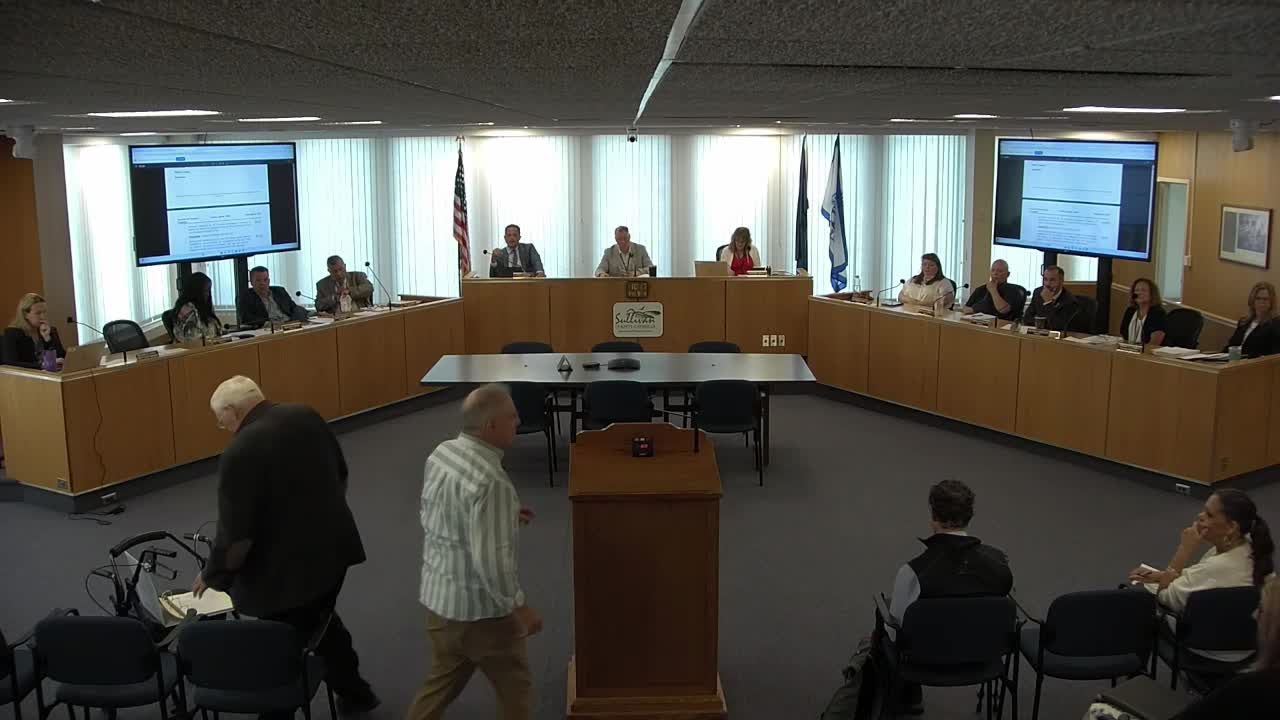
Summary
Public commenters urged legislators to consider environmental impacts of a proposed trash incinerator on tourism, asked for continued action on homelessness and highlighted changes in town equalization rates affecting local tax bases.
During the public comment period, residents urged the legislature to consider environmental and economic consequences of proposed industrial projects and to continue work on homelessness services and property-assessment concerns.
Star Hesse, a resident, urged legislators to review a public presentation and reporting on so-called "forever chemicals" and incinerators. "If you set up something that pollutes the entire area, you're not gonna get these people. They're gonna leave," Hesse said, referencing concerns that waste incineration can emit persistent chemicals and harm the county's tourism brand.
Another commenter, Diana, identified herself as an advocate for people experiencing homelessness and asked the legislature to press for shelter planning and alternatives if localities pass laws restricting where people can sleep outdoors. "I will keep advocating for the homeless," Diana said, asking the county to ensure plans exist to shelter people before enforcing ordinances.
A resident also raised a point about equalization rates, handing out a sheet that showed state equalization rates for 2025 and a 9' to 10'year trend. The commenter urged attention to how assessment practices and equalization changes affect the county tax base and local budgets.
Why it matters: commenters tied environmental policy to the county's economic reliance on tourism and second homeowners, urged humane and planned responses to homelessness policy proposals, and raised fiscal-administration questions about assessment and equalization trends that affect municipal budgets.