Get Full Government Meeting Transcripts, Videos, & Alerts Forever!
Get email alerts on the Tourism Strategy topic
No spam. Unsubscribe anytime.
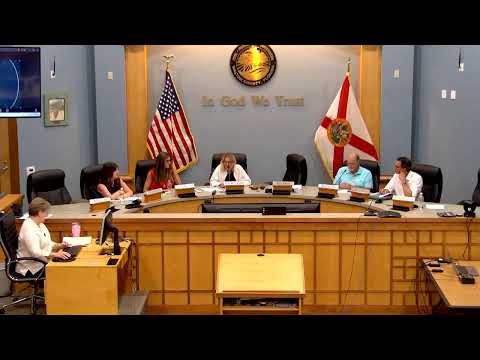
Walton County tourism steering committee review highlights natural setting, seasonality and workforce as top issues
Summary
Consultants and steering committee members reviewed a stakeholder-driven SWOT analysis that emphasizes Walton County’s ‘‘pristine’’ natural environment and strong regional brand as strengths, and seasonal demand, workforce shortages and limited off‑beach product as primary challenges.
Scott, a JLL consultant, presented the steering committee’s draft SWOT analysis, saying the destination’s “pristine nature of the setting” and a “very, very strong regional brand” are clear strengths for Walton County.
The report, developed from local stakeholder interviews and prior site visits, frames seasonality and workforce constraints as major weaknesses and identifies off‑beach infrastructure gaps and rising accommodation costs as opportunities and threats. Scott said the analysis ties quantitative tools (a Tourism Earnings Index and demand‑driver scorecard) to the qualitative findings from the steering committee and community engagement.
The steering committee debated whether “controlled growth” should be framed as a policy or program. Tiffany Edwards, a steering committee member, recommended changing the phrasing from “growth policies” to “programs” to avoid suggesting an overly prescriptive regulatory approach. Other members noted that some communities within Walton already have structured growth policies and that countywide program design should reflect local variation.
Committee members and staff discussed visitor access and transportation. Scott and Matt (Walton County Tourism staff) noted that two airports serve the market and that access is both a weakness and an opportunity: “the strength of your drive market clearly mitigates this,” Scott said, and the consultant added that flying into ECP is “very, very efficient.” Participants urged attention to the visitor’s first‑mile/last‑mile experience—baggage, car rentals and signage—rather than expecting new airport infrastructure.
Seasonality dominated several exchanges. Committee members described traditional Saturday‑to‑Saturday vacation patterns and suggested the county could encourage alternative arrival/departure patterns and more year‑round programming. Matt said the tourism team will probe peak‑period pressures — trash, law enforcement, beach operations and other concentrated demands — in follow‑up stakeholder sessions.
Speakers raised concern about public perceptions that some beaches are exclusive and recommended consistent messaging and investment across beaches to reduce resident frustration. Jennifer (steering committee member) argued the matrix should account for events’ community benefits as well as tourism impact.
The discussion also touched on product diversification inland of the beach and the role of private investment for large projects such as marinas or a sports complex. One committee member said the TDC should “entice private enterprise” because the TDC is unlikely to fund very large capital projects alone.
The session closed with an agreement to incorporate these themes into the draft strategy and to gather more specific stakeholder feedback on the pressures of peak season in subsequent outreach.
Ending
Committee members asked staff and consultants to test message framing with residents and to return with a refined SWOT and suggested next steps for preserving the county’s natural assets while addressing seasonality and workforce gaps.