Get Full Government Meeting Transcripts, Videos, & Alerts Forever!
Get email alerts on the Public Health Programs topic
No spam. Unsubscribe anytime.
UTHealth presents city health program outcomes; federal SNAP‑Ed funding flagged as ending Sept. 30
Summary
UTHealth representatives reported improvements in physical activity, blood pressure and weight among program participants in Brownsville and across the Rio Grande Valley and warned that primary federal SNAP‑Ed funding for the program was eliminated in the new federal budget, with funding scheduled to end Sept. 30.
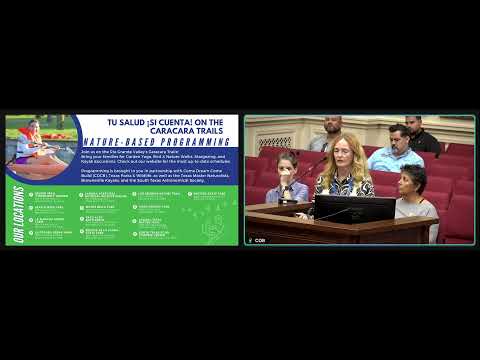
Dr. Nisa Mitchell Bennett, representing UTHealth, told the Brownsville City Commission on Sept. 2 that a long-running, evidence-based community health program operating with city support has produced measurable improvements in participants’ physical activity, blood pressure and weight — but faces an abrupt loss of its primary federal funding.
UTHealth presented year‑over‑year program outcomes and noted the university’s contract with Brownsville funds a community health worker and other activities. "Sixty percent increased their minutes of physical activity," Bennett said. "Sixty‑nine percent decreased their blood pressure if they came in with a high blood pressure. Twenty percent of the participants changed from hypertension to normal." Bennett said the program served participants across Cameron and Hidalgo counties and that local staff and partners deliver exercise, nutrition, health coaching and diabetes prevention programming.
The presentation put the program’s recent reach and outcomes in context: Bennett said the program served participants across the region this year and cited evaluation results from 2024. She said the program recorded 820 participants in this year’s community challenge, with a combined weight loss of 2,270 pounds and an average loss of 6.8 pounds among completers. She also cited longer‑term cohort monitoring in Cameron County that, she said, shows declines in diabetes and obesity rates over the past decade.
Bennett warned commissioners that the federal budget eliminated the program’s primary funding stream. "The recent new federal budget zeroed out all SNAP‑Ed," she said, adding that the SNAP‑Ed funding that comes through the state health and human services agency was cut and that, as a result, "the funding for the program is, as of now, ending on September 30." The presentation noted the city holds a contract with UTHealth that supports a community health worker and program activities but did not include a proposed replacement funding source during the meeting.
Department staff thanked UTHealth and highlighted local connections: Dr. Rodriguez (Department of Health and Well‑being) introduced UTHealth representatives and recognized City employee Solema Medrano as the city’s community health worker who helps implement the contract deliverables. Bennett described partnerships with local organizations, including the Brownsville Wellness Coalition and area gyms and businesses, which participate in outreach and the community challenge.
Bennett framed the program as more than wellness outreach: she said measured changes translate into economic benefits, citing data from UTHealth’s Cameron County cohort. "A 6 percent decrease in the prevalence of obesity in our community over the last 10 years translates to 26,000 fewer people with the condition of obesity," she said, and added that declining chronic disease prevalence reduces health care and productivity costs.
The presentation did not include a formal request for new city funding during the meeting, nor did commissioners take a vote. Commissioners did not announce a follow‑up item on the agenda during the presentation. The city’s contract with UTHealth and the program’s funding timeline remain items for potential future action.