Get Full Government Meeting Transcripts, Videos, & Alerts Forever!
Get email alerts on the Electronic Monitoring Domestic Violence topic
No spam. Unsubscribe anytime.
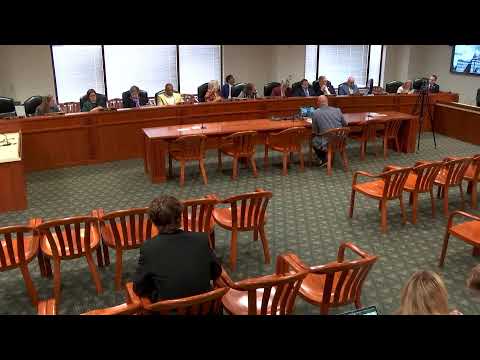
Panel hears bill to require GPS tethers for people charged with aggravated domestic violence
Summary
House Bill 4525 would make GPS electronic monitoring a bond condition for those arrested for aggravated domestic violence; proponents described technological advances and enforcement benefits while members asked about cost, indigency and limits.
The House Judiciary Committee heard testimony on House Bill 4525, which would require electronic monitoring (GPS "tethers") as a condition of bond for anyone arrested for aggravated domestic violence.
Sponsor remarks introduced the bill as part of a "safe cities, safe communities" agenda and described it as an initial draft; the sponsor said additional language on indigency and victim protections had been discussed behind the scenes. The sponsor said the tether would be used to monitor movement and create exclusion zones around victims.
"Modern ankle monitors last 5 to 7 days on a full charge," expert witness Dave Shepagrel told the committee, explaining technological improvements since early systems and describing how today’s devices combine GPS, cell‑site data and Wi‑Fi location to provide frequent location points. Shepagrel, who identified himself as a vice president with JSG Monitoring and senior vice president with Sentinel Offender Services, said monitoring centers can alert police when an exclusion zone is breached and that the data provide objective evidence of location if a protective order is violated.
Committee members raised implementation questions. Representative Breen asked who would pay for devices that can cost "$100 to $300 a month." The sponsor said costs are often charged to defendants and that some counties use pretrial services funds to cover monitoring for indigent defendants; she said reimbursement and indigency are matters for further discussion. Other members asked about enforcement, device tampering and whether private providers could be certified and held to reporting penalties; the sponsor said the bill’s drafters had discussed certification and penalties for monitoring companies that fail to report breaches.
The American Civil Liberties Union of Michigan and the Vera Institute of Justice submitted written testimony opposing the bill but did not appear to speak. Supporters pointed to Tennessee and Connecticut as states with similar programs and cited studies that proponents say show monitoring reduces violations of protective orders.
No committee vote on House Bill 4525 was recorded during the hearing; sponsor and witnesses said the bill was at an early stage and likely to be revised.