Get Full Government Meeting Transcripts, Videos, & Alerts Forever!
Get email alerts on the Drug Testing Access topic
No spam. Unsubscribe anytime.
Committee advances bill letting county health departments collect court-ordered drug tests
Summary
The Senate Health & Welfare Committee voted unanimously to advance a committee substitute for Senate Bill 203, which would require county health departments to provide sample collection for court-ordered drug testing; members expressed concerns about monitoring requirements and who will bear testing costs and said a fiscal note is pending.
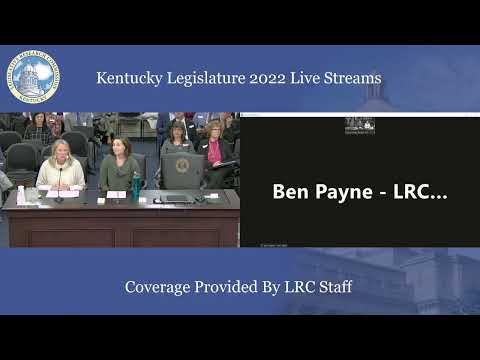
The Senate Health and Welfare Committee on Wednesday advanced a committee substitute for Senate Bill 203, a measure that would require county health departments to provide sample collection services for individuals ordered by a court to complete drug testing.
Sponsor Senator Julie Rocky Adams filed the bill; Senator Hayden presented the committee substitute to members. “Every county in Kentucky has a health department. The health department is perfectly capable of doing these drug tests,” Hayden said, describing long travel distances—“25, 30 miles”—that many people in rural areas now face to complete court-ordered testing.
The bill directs county health departments, if needed, to provide a drug test sample collection service for any individual ordered by the court to complete a drug test. Hayden told the committee a fiscal note and local impact statement were not yet available because the committee substitute had just been filed.
Committee members asked operational and cost questions. “Will the county health departments have the ability to do that, to actually administer these tests?” asked Senator Burke, noting that court-ordered testing is typically observed urine collection and that current tests often cost individuals about $50 each. Burke also asked whether the cost would continue to fall on people ordered to test.
Hayden said those questions had not yet been answered and that members could expect more information and possible floor amendments as the bill moves forward. Several members said they supported advancing the bill out of committee but reserved judgment pending the fiscal note. “Should this cost end up falling on the taxpayer shoulders, I will not be able to support this bill,” Senator Carroll said, adding he would vote aye to move the measure forward but would revisit his position later.
The committee approved the substitute on a voice and roll-call sequence that the chair reported as passing 10-0. Members also approved a title amendment and agreed to defer consent until the fiscal note and local impact statement are available.
If enacted as written, the measure would create a requirement for county health departments to make collection services available to people under court order; the bill does not yet specify how counties would staff, train, or fund observed collection or whether counties would be allowed to charge recipients for the tests.
The committee recorded continued interest in clarifying: whether health departments can perform observed urine collection in compliance with court supervision requirements; whether individuals will remain responsible for testing fees; and the bill’s fiscal impact on county health departments. Committee members said they expect those points to be addressed before final floor action.