Get Full Government Meeting Transcripts, Videos, & Alerts Forever!
Get email alerts on the Public Safety Cameras topic
No spam. Unsubscribe anytime.
Council approves $50,000 DHS grant to expand boardwalk cameras; some residents question effectiveness
Summary
Council authorized acceptance of a $50,000 Department of Homeland Security grant to fund boardwalk cameras; public commenters debated whether cameras deter crime or mainly aid after-the-fact investigations.
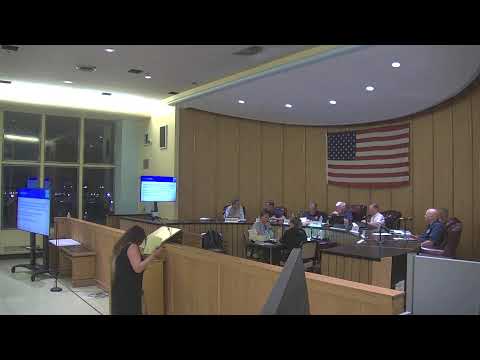
The Long Beach City Council on Sept. 2 authorized the city manager to accept a $50,000 grant from the U.S. Department of Homeland Security to help pay for installing approximately 18 cameras along the boardwalk.
Police Commissioner Rich DePalma told the council the grant would cover roughly 30% of the project’s cost and that the city’s capital budget includes funds to cover the remainder. DePalma said the city hopes to stretch the installation to as many as 22 cameras but expects to fit at least 18 within the current budget. The city currently has cameras mounted at lifeguard stations at Neptune, Riverside and New York, DePalma said; the new cameras would expand coverage of the boardwalk.
During public comment, several residents questioned whether additional cameras would reduce crime or primarily document incidents after they happen. Joe Zauer, who identified himself as a Long Beach resident, said cameras are often ‘‘a great photo of it after it’s happened’’ rather than a prevention tool. Police officials responded that cameras are used both for crowd monitoring and for proactive responder direction; DePalma cited a recent water rescue that staff were able to locate on camera.
Council members argued that cameras provide evidence for investigations and civil claims as well as a deterrent effect. One council member noted the cameras help resolve legal disputes, saying, "Cameras don't lie... it ends two sides of the story and gives one side in court, which is the truth." The council approved the grant acceptance as part of a block vote later in the meeting.
The project will return to the council when staff finalize purchase and installation plans; at that stage the council will consider approval of the specific equipment purchase and deployment locations.
Votes at the Sept. 2 meeting approved acceptance of the grant as part of a three-item block vote.