Get Full Government Meeting Transcripts, Videos, & Alerts Forever!
Get email alerts on the Code Enforcement topic
No spam. Unsubscribe anytime.
Council approves resolution to place substandard‑property levy on 6020–6090 Long Beach Blvd.; council seeks stronger penalties for chronic nuisance
Summary
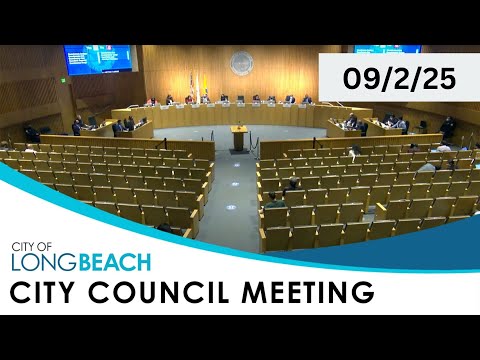
Long Beach City Council voted Sept. 2 to adopt a resolution placing a charge on the secured tax roll to recover city cleanup costs at a property in District 8, while several members urged staff to study stiffer penalties for chronic nuisance properties.
Long Beach — The City Council on Sept. 2 adopted a resolution directing the Los Angeles County Auditor‑Controller to place a levy on the 2025–26 secured tax roll to recover cleanup and securing costs for a substandard property at 6020–6090 Long Beach Boulevard in District 8.
The action stemmed from a staff report asking the council to recover city costs not to exceed $7,189 for abatement work performed after repeated breaches of the secured building. Councilmember Darshendup spoke at length about the neighborhood impacts and said the cost recovered by the resolution was only a portion of the city’s expenses; staff noted an existing prior lien of approximately $16,000 from earlier work on the property.
“Colleagues: this is more than just a lien,” Councilmember Darshendup said while urging colleagues to adopt the resolution and direct staff to return with an analysis of escalated administrative penalties and higher fines for chronic nuisance properties. He said the property had been re‑occupied after code enforcement secured it in May and that the Coolidge Triangle neighborhood had borne recurring blight and nuisance activity.
Public Works staff told the council the city is prepared to pursue removal of the building if the property owner fails to restore compliance and that the city’s code enforcement program prioritizes compliance but can explore additional penalties for egregious or repeat violators.
Why it matters: Council members framed the action as a cost‑recovery step in neighborhoods that are disproportionately affected by chronic property abandonment and nuisance uses; several members asked staff to return with options for tighter administrative escalation, potential acquisition or accelerated remediation tools.
The resolution carried by council vote in the meeting’s consent/added‑item process; the motion and roll call were recorded as “motion is carried” in the public minutes; the transcript records no detailed roll call tally for the item in the public record.
Ending: Staff will report back with a review of fine structures, alternative enforcement remedies and the city’s options to pursue acquisition or demolition if the site remains noncompliant.