Get Full Government Meeting Transcripts, Videos, & Alerts Forever!
Get email alerts on the Zoning topic
No spam. Unsubscribe anytime.
Zoning committee recommends denial of rezoning for home proposed to house 18‑ to 23‑year‑olds after neighbors object
Summary
The San Antonio Zoning Committee voted to recommend denial of a conditional rezoning request for a house proposed to serve 18‑ to 23‑year‑olds transitioning from foster care. The item drew extended public comment and debate over occupancy, parking and program oversight.
The San Antonio Zoning Committee on Wednesday recommended denial of a conditional rezoning request for a property proposed as a shared residence for young adults ages 18 to 23.
The applicant sought a zoning change to allow a residential shared‑living use that would permit six to eight residents (plus staff) at an existing house. After more than an hour of public comment and debate, commissioners voted down a motion to recommend approval and ultimately the committee recommended denial. The applicant may bring the matter to City Council within six months.
Neighbors and neighborhood association representatives raised repeated concerns about density, parking and oversight. Several speakers said the property had been described inconsistently in application materials and asked for more time and clearer documentation on unit sizes, the number of bathrooms and how parking and on‑site supervision would work. One resident summarized community unease, saying: "Esto es tan serio para toda la ciudad, no solamente para nuestra comunidad," while other commenters urged support for programs that help foster youth transition to independence.
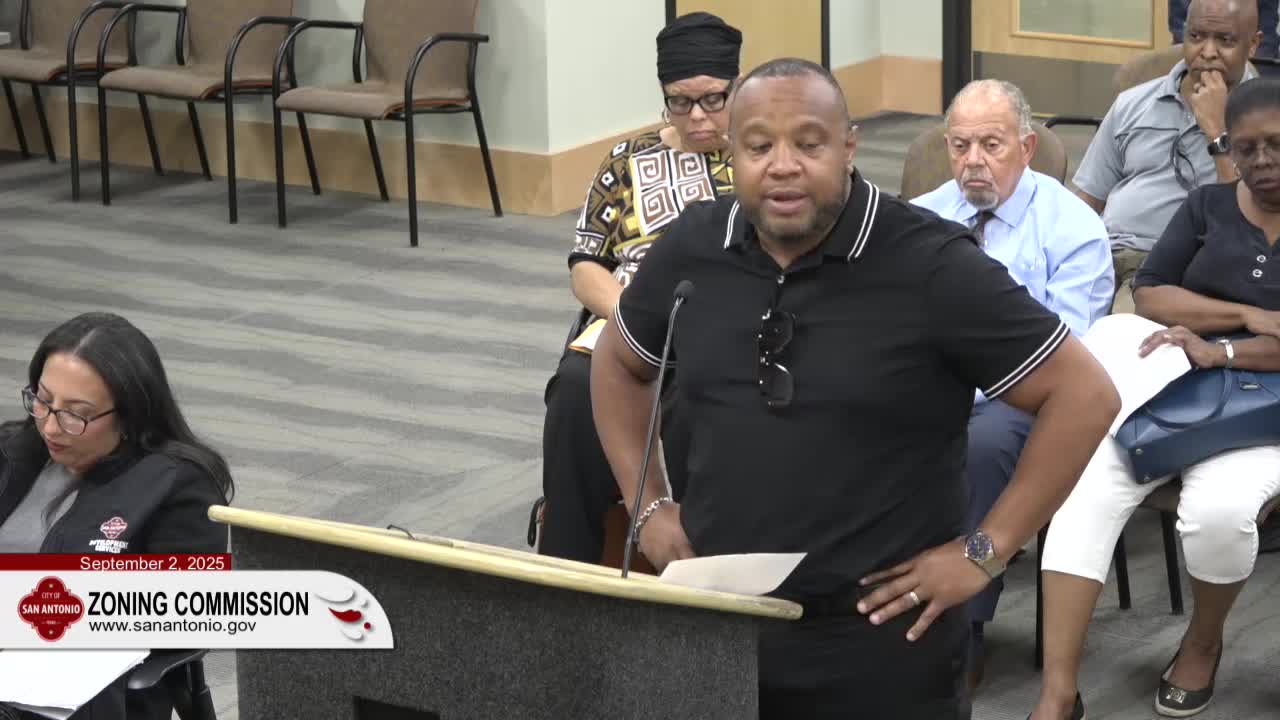
The applicant, identified in the hearing as Ian Rawls, said the project would provide transitional housing, skills training and connections to job‑training partners and counselors. Rawls and a project representative said the renovated house would include three bathrooms and a rear structure to provide additional communal space, and that staff would be present in shifts. Rawls said the operator had an existing site elsewhere and that the goal was independent living, not a locked facility.
City staff explained there are different regulatory definitions for boarding homes and shared living uses and referenced Chapter 457 of the housing code as relevant to permitting and occupancy standards. Staff also told the committee that the state sets some standards that determine whether a location counts as a boarding home and that those definitions affect what permits and inspections are required.
Commissioners split over the practical tradeoffs. Some expressed sympathy for the program goal but said they were persuaded by neighbors' concerns and uncertainties about site plans and parking. Several commissioners suggested a compromise: allow the operator to proceed with six residents (a use allowed under current zoning) and return later if the program demonstrated it was working. Commissioners who opposed approval cited potential on‑street parking and unclear documentation about the proposed third bathroom and use of the rear structure.
The committee also debated a motion to reconsider after the initial vote; that motion carried, and the item was discussed further, but the committee ultimately recommended denial. Commissioners noted that the recommendation is advisory and that the applicant can address neighbors' questions and resubmit or pursue the matter at City Council within the six‑month window staff referenced.
Key clarifying details from the hearing: the operator said the house would accommodate six to eight residents (applicant said the site would function with six residents under current zoning but has space for eight); the applicant and neighbors disputed the house square footage (references in the record included both about 1,700 and about 1,900 square feet); staff cited a 50‑square‑foot per‑resident metric in earlier permit discussions but neighbors said other documents referenced larger minimums; the applicant said there would be three bathrooms after renovation and two to three on‑site parking spaces, and that most residents would rely on public transit.
The committee's recommendation is not a final denial by the City Council; it is a recommendation that will be transmitted to Council if the applicant pursues the case. Commissioners directed the applicant to work with neighborhood representatives and the case manager to clarify occupancy, square footage, bathroom counts, parking and supervision plans before any future hearing.
The issue attracted substantial public engagement: multiple residents, neighborhood association leaders and service providers testified for and against the proposal, and commissioners spent significant time questioning staff and the applicant about code definitions, oversight and how similar facilities had operated elsewhere.