Get Full Government Meeting Transcripts, Videos, & Alerts Forever!
Get email alerts on the Supportive Housing topic
No spam. Unsubscribe anytime.
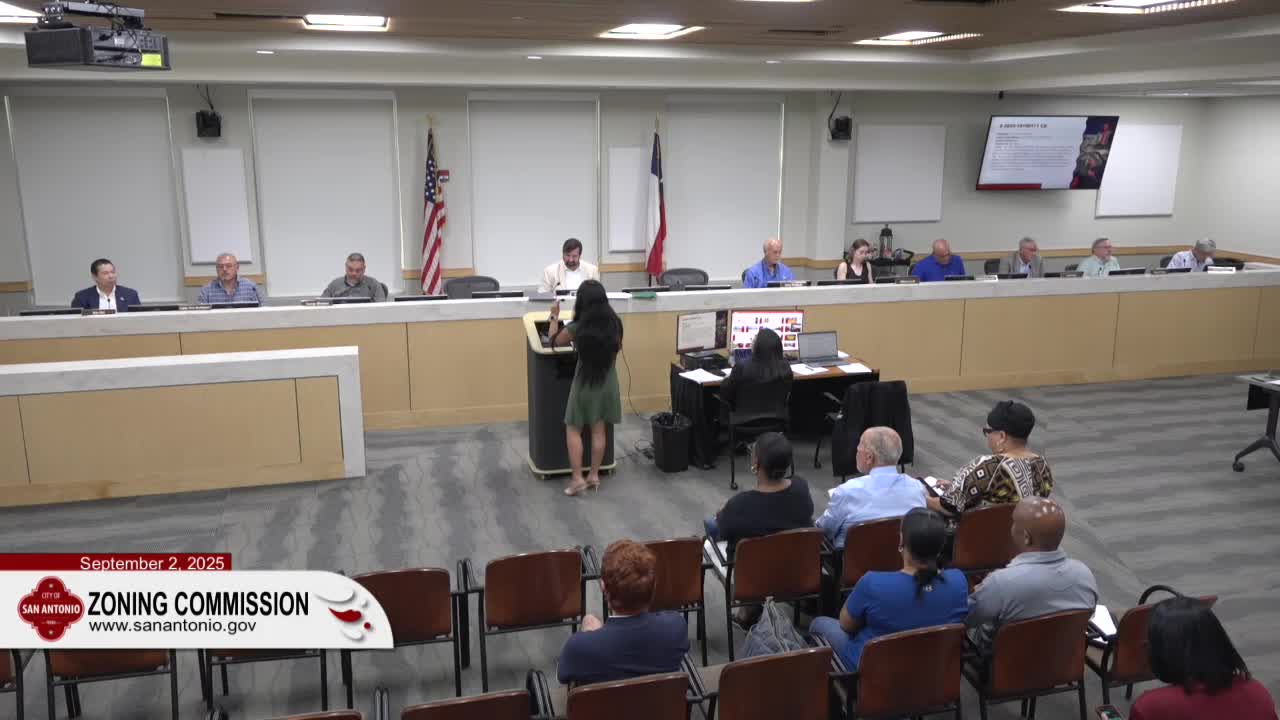
Zoning commission votes to deny rezoning for 8‑bed supervised independent living home at 334 Como Street
Summary
After extended public comment and debate, the commission recommended denial of a zoning change that would have allowed a supervised independent living home for youth aging out of foster care to house eight residents; staff had recommended approval with a conditional use.
The Zoning Commission recommended denial of a conditional rezoning request for 334 Como Street, a property proposed to operate as a supervised independent living (SIL) boarding home for youth aging out of foster care.
Staff presented the request to rezone the property from R4 to R4 CD with a conditional use allowing a boarding home with no more than eight residents; staff recommended approval, saying the accessory dwelling and proximity to transit would support the proposed use. The applicant, Ian Riles, described the proposed supervised independent living program for young adults aged 18–23, including job training, certifications and counseling services.
Neighborhood speakers and the Willow Park Coliseum Neighborhood Association opposed the rezoning. Speakers raised concerns about density (eight residents in the house), unit and bathroom sizes, parking and street congestion, the presence of multiple similar shared‑housing operations in the area, and insufficient community engagement by the owner. Residents said at least two similar facilities exist on the block and that some neighborhood homeowners feared increased roaming, noise and strain on neighborhood services.
Public commenters included Arman Hathaway (neighborhood association president), Renee Watson (longtime resident and association member), Will Covington and others. Speakers acknowledged the social need but said the neighborhood would accept six residents under existing zoning and that an eight-person shared housing model felt like a different use.
Commissioners debated at length. Some members cited the difficulty of denying a by‑right six‑resident boarding house under current zoning and urged a compromise path that would allow the owner to operate at six and later seek additional capacity after demonstrating performance. Others said the change from six to eight was significant given neighborhood saturation.
The commission first voted down a motion to approve the conditional zoning. After a successful motion to reconsider, the commission then voted on a motion to deny the requested rezoning; the motion passed by roll call. Commissioners who supported denial cited inadequate neighborhood buy‑in and concerns about parking, maximum occupancy and proof of concept; commissioners who opposed denial said the proposal provided two additional beds for young people in need and noted staff’s recommendation.
The commission’s denial is advisory; applicants may pursue other administrative or council avenues, and staff suggested the applicant work with the case manager and neighbors to address concerns before any future application.