Get Full Government Meeting Transcripts, Videos, & Alerts Forever!
Get email alerts on the Budget Finance topic
No spam. Unsubscribe anytime.
Charter review committee presses for clearer finance qualifications, budget timing and union-review process
Summary
At its Aug. 27 meeting, North Smithfield’s Charter Review Committee discussed tightening finance director qualifications, formalizing budget timing (reconciled through May) and clarifying how the budget committee reviews union contracts and fiscal impacts before council action.
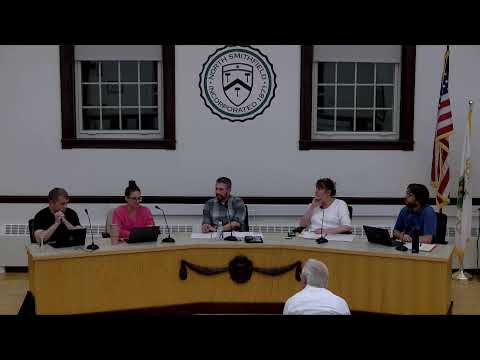
North Smithfield — The Charter Review Committee on Aug. 27 focused on changes to the town charter intended to clarify the role and qualifications of the director of finance, improve the budget timetable and reconcile parallel budgets produced by the town administrator and the budget committee.
Committee members pressed to make municipal-finance experience a preferred qualification for the director of finance and debated language that now permits the town administrator to perform finance duties "for no additional compensation." Town Administrator Scott said the town will "be going through a process shortly to do a comprehensive assessment of pay scales, compensation and benefits," adding, "My personal feeling is we seriously underpay employees in this town, and it's hurting our ability to retain and to attract." The committee discussed leaving compensation-setting to the town council while making clearer recommended or preferred qualifications for candidates.
The committee also discussed budget format and timing. Members said the charter's required budget summary should display last completed fiscal year figures, actuals to the time of preparing the budget and accurate estimates for the remainder of the year. Several members asked that financial statements provided to the council be reconciled through May (rather than earlier months such as April) so the council receives more complete actuals before making decisions. The group discussed the practical limits of annualizing expenditures (for example, for irregular line items such as snow removal) but agreed that providing reconciled accounts through May would give the council firmer numbers.
On the budget process, members described friction created when both the town administrator and the budget committee produce parallel budgets. Committee members said the charter already contemplates consultation between the budget committee and the administrator but recommended emphasizing that the budget committee should reconvene with the administrator after department interviews so differences can be summarized in the committee's executive summary to council. Kevin (budget committee member) raised procedural questions about the documents the budget committee should receive, including the town administrator's budget message and copies of the independent auditor's report.
Section 9, which requires the budget committee to review negotiated union contracts after a preliminary agreement, drew substantial discussion. Members flagged legal and practical complications: contracts are often discussed in executive session, and inserting an additional review layer could impede negotiators. The group explored alternatives: (1) having the finance director prepare a fiscal-impact statement for any draft contract and meet with the budget committee after the draft is publicly posted (required by state law at least 10 days before a public hearing), or (2) inviting the budget-committee chair to an executive-session briefing so the committee can evaluate fiscal implications without broadly airing confidential negotiations. No charter change was adopted at the meeting.
Other operational items discussed included whether competitive-bidding language in the charter should be updated to reference current state law and whether the board of assessment review should include suggested qualifications to reduce liability risk when assessing real estate and business tangible property.
The committee did not vote on any charter language in this meeting. Members said they will seek additional input from department heads and return to budget-format and finance qualifications at a future meeting.