Get Full Government Meeting Transcripts, Videos, & Alerts Forever!
Get email alerts on the School Bond Refendum topic
No spam. Unsubscribe anytime.
Survey projects 58% support for $125 million Rapid City Area Schools bond; board urged to consider scope changes
Summary
School Perceptions reported a 58% projected voter approval for a $125 million bond at a district study session, short of South Dakota's 60% supermajority requirement; board members and consultants flagged tax impact and Stevens High School work as key drivers of resistance.
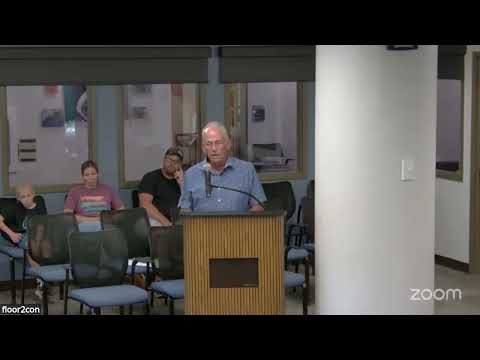
At a Rapid City Area School District 51-4 study session, consultant Darren Sievers of School Perceptions presented results of a facilities survey that projects 58% voter support for a proposed $125,000,000 bond referendum, with a reported margin of error of plus or minus 1.35 percentage points. The figure falls short of the 60% plus one-vote supermajority required for school bond approval in South Dakota.
The survey result matters because the bond under consideration would fund district-wide needs identified in the facilities master plan — including HVAC upgrades, security and overcrowding remedies, and proposed improvements at Stevens High School. Sievers said the firm received 5,523 returned surveys from 45,505 mailed and that those responses produced a weighted projection of 58% support. “There is enough weighted support, 58%, for the proposed bond or referendum to take it to the ballot and let voters decide,” Sievers said during the presentation.
School Perceptions described its methodology and respondent mix during the presentation. The firm reported a 12.1% response rate overall, noted that staff responses made up an elevated share of returns and that it would weight results to reflect voter demographics. Sievers reported subgroup results showing about 80% of staff, 72% of parents and 52% of non-parents/non-staff respondents saying they would “definitely” or “probably” vote yes on the $125 million plan. After weighting, the projected overall voter support was 58% (+/−1.35%).
The consultant also summarized reasons cited by respondents who said they would not support the package. The top reason was the tax impact, followed by the overall cost of the plan. Sievers said Stevens High School improvements and the potential closing of Robbinsdale were among the specific elements that respondents named as reasons for opposition. “The Stevens High School improvements were the third most frequent reason cited,” he said. He and district staff recommended the board consider whether scope adjustments — pausing or phasing some elements — could reduce the tax impact and raise passage probability.
Board members asked technical and strategic questions about the margin of error, conversion rates from “probably yes” to actual yes votes, and the role of a campaign. Jamie Clapham asked whether the margin of error tends to favor yes or no; Sievers replied, “I would say 50 50 is a really safe bet,” and cautioned not to count on the margin falling entirely in the district’s favor. Trustee Katie Urban asked how a strong campaign might move support; Sievers cited past project examples in which focused campaigns swung results substantially, and he said the firm’s predictive accuracy historically is about 94% when comparing its projection to final outcomes.
District staff and board members emphasized the presentation was one step in an ongoing process. Coy Sasse, district administration staff who coordinated the survey work with the consultant and Coop Architects, and board leadership said they will review the data and consider options. President Troy Carr said the presentation represented “a culmination of 2 years, 2 and a half years, to get to this point,” and urged deliberation before decisions.
Next steps identified in the meeting included continued data entry of late-returned paper surveys, a follow-up refreshed report in the weeks after Labor Day, and discussion of options at a planned board retreat in early September. Sievers also offered to provide the district a recorded version of the presentation for public distribution and to continue refining the disaggregated data. Board members and staff discussed the possibility of trimming scope (for example, delaying some Stevens High School elements) to lower tax impact and re-surveying or re-framing a smaller proposal if the board chooses.
Context: School Perceptions told the board it aims to give the district comprehensive community feedback rather than a random sample and that, in other districts, trimming scope has sometimes converted initial reluctance into majority support. The firm repeatedly emphasized the tax-impact concern and recommended further deliberation on scope and communications strategy before formally placing any bond question on the ballot.