Get Full Government Meeting Transcripts, Videos, & Alerts Forever!
Get email alerts on the Strategic Planning topic
No spam. Unsubscribe anytime.
Pima County supervisors identify housing, climate, public-health and prosperity as top priorities at retreat
Summary
At a county-run retreat, supervisors identified a set of shared priorities — including affordable housing and homelessness, climate resilience, public-health prevention and the county's Prosperity Initiative — and directed staff to fold the themes into a multi-year strategic plan and priority-based budgeting review.
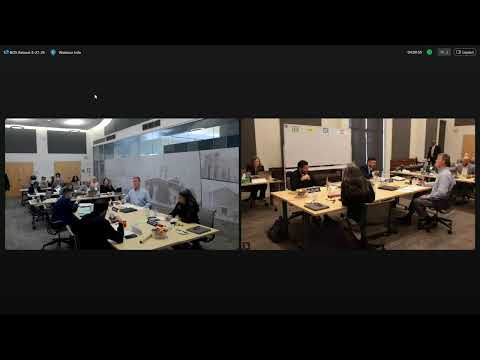
Pima County Board of Supervisors members used a first-ever retreat to surface shared priorities they want staff to fold into a multi-year strategic plan, naming housing and homelessness, climate resilience, public-health prevention and the county's Prosperity Initiative as top items for the next strategic period.
The discussion, framed by County Administrator Jan Lesher and facilitators from county staff, focused on turning broad goals into a priority-based budgeting approach and establishing measurable outcomes. Chair Supervisor Scott said the retreat's purpose was to help the county plan its budget around the board's vision rather than reacting year-to-year.
Supervisors described three-year priorities they want staff to flesh out with costs and metrics. Supervisor Scott called for a "full transition" to priority-based budgeting and suggested using the recent class-and-compensation study and the vacancy policy to "right-size" departments and better align personnel costs with service delivery. He also asked staff to examine fiscal policy options, including bonding, for long-term county obligations.
Supervisor Allen emphasized integrated solutions for behavioral health, substance-use disorders and housing, tying county workforce-development, opioid-settlement funds and supportive housing investments into a strategy to reduce reliance on the jail as a default treatment center. Allen also urged stronger county action on greenhouse-gas reductions and resilience measures given Pima County's desert climate. "We have to decrease our greenhouse-gas emissions, minimize the impact of heat, drought, wildfires and increase community resilience," Allen said.
Supervisor Connell listed economic development, environmental stewardship and education among priorities and urged stronger communications and targeted investments such as neighborhood reinvestment and expanded eligibility for early-childhood scholarships. Connell called for a budget process that aligns funding with the Prosperity Initiative and department work plans.
Supervisor Hines and Supervisor Cano also urged regional collaboration and programs aimed at improving household economic security. Multiple supervisors said the county should define measurable targets to track progress, and asked staff to return with recommended key performance indicators and cost estimates. "We need to be a data-driven organization," County facilitator Nancy Cole told the board.
Board members discussed the county's role in regional partnerships with cities, towns, tribal nations and state/federal partners. Supervisors repeatedly returned to the need for clearer performance measures and better public communications so residents can see what the county has accomplished.
Participants raised several cross-cutting operational items for staff follow-up: using the class-and-compensation study and vacancy policy to adjust staffing, establishing metrics and reporting for the Prosperity Initiative, reviewing options for bonding and capital planning, and developing a clearer regional strategy for housing, homelessness and climate resilience. The board agreed to produce a consensus list of priorities at the retreat; supervisors clarified that a later meeting would convert consensus into formal commitments and year-by-year implementation steps.
No binding votes were taken at the retreat. Staff and the facilitators said they would return with implementation costs, proposed metrics and suggested timelines for year 1, year 2 and year 3 actions.
Ending: The retreat session ended with staff committing to translate the board's consensus into an operational strategic plan and to provide the metrics and budgetary analysis the supervisors requested for subsequent action and potential budget consideration.