
United Way outlines 2‑1‑1, ALICE data to Toledo housing committee; reports rising shelter waitlist
Get AI-powered insights, summaries, and transcripts
Sign Up Free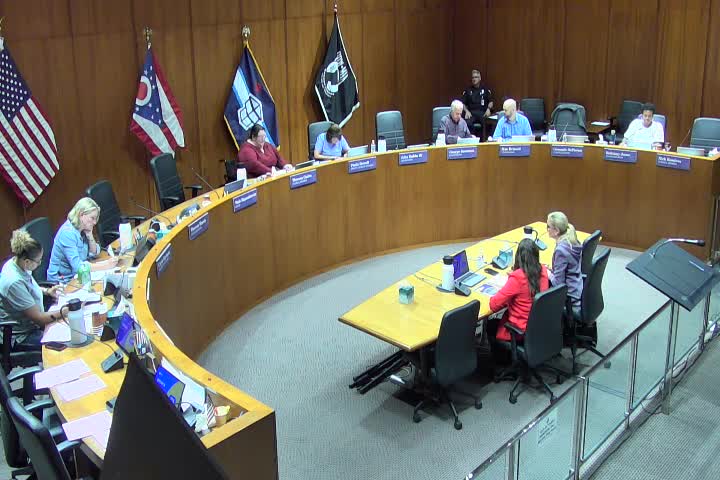
Summary
United Way of Greater Toledo told the Housing & Community Development Committee that its 2‑1‑1 call center and ALICE (Asset Limited, Income Constrained, Employed) data are tracking high levels of housing and other basic‑needs requests and that 195 families are on the local shelter waitlist.
United Way of Greater Toledo officials told the Toledo City Council Housing and Community Development Committee on Aug. 28 that the local 2‑1‑1 service is handling large volumes of requests for basic needs and that ALICE data show many households fall short of a local cost‑of‑living threshold.
Erin Tupper, senior director of outreach and advancement at United Way of Greater Toledo, said, “2 11 is a 24 hour a day, 7 day a week, call center that connects people to resources in our area.” She and CEO Wendy Piestrew described the service, how it is staffed by community resource advisors (CRAs) who can call, text or chat with callers, and the organization’s work to audit and update the resource database.
The presentation included topline counts for the last year as reported by United Way: 36,537 referrals for housing; 1,212,211 referrals for food (as reported in the presentation); 9,719 referrals for utility help; 6,030 referrals for transportation; and 5,480 referrals for clothing and household needs. United Way officials also said the agency will include shelter‑waitlist figures in its monthly report going forward and reported that 195 families, 67 single females and 38 single males are currently waiting for shelter placement.
Why it matters: Committee members said the real‑time data help the city target limited resources. “The 2 1 1 reports are essential for District 3. I use them every month,” Councilmember Gaddis said during the meeting, crediting the reports for informing the city’s response when household utility shutoffs and electric‑assistance needs overlapped earlier in the year.
United Way outlined additional services tied to 2‑1‑1: coordinated entry for HUD‑mandated homeless services, language‑access materials in multiple languages, veteran‑specific specialists, and a pilot focus on youth access and outreach. The group also described a Community Information Exchange (CIE) concept — a shared, consent‑based record to help track clients’ use of services across agencies — and said other Ohio cities are pursuing similar systems.
Public commenters and partners praised the 2‑1‑1 work and urged continued support. Richard Arnold, a long‑time volunteer, warned that gaps in information can have lethal consequences and cited a Detroit case: “They died because of a lack of information,” he said, arguing that anyone in crisis needs a single, trusted entry point. Tom Cromwell of the Local Initiatives Support Corporation (LISC) described 2‑1‑1 as a vital partner for tax‑preparation clinics and financial coaching referrals.
What’s next: United Way said it will send the committee a slide deck and district‑level 2‑1‑1 reports after the meeting and is developing advocacy plans to seek state and federal support for 2‑1‑1 services. Committee members discussed potential advocacy trips to Columbus to press for state funding and noted that Ohio currently does not fund 2‑1‑1 statewide. United Way officials also said they are pursuing alternative grant dollars and philanthropic support to cover program costs if federal funding does not materialize.
Ending: Committee members asked United Way to return with more detailed, localized data and asked staff to coordinate on outreach ideas; no formal action was taken during the meeting.