Get Full Government Meeting Transcripts, Videos, & Alerts Forever!
Get email alerts on the Building Permits topic
No spam. Unsubscribe anytime.
Council retains national building‑code standard after debate over permits for HVAC and water‑heater replacements
Summary
Syracuse city staff and Council debated whether to exempt routine HVAC and water‑heater replacements from permit requirements. City inspector Brian Lemons presented inspection failure rates and warned that dropping the code could affect insurance and ISO assessments. The council voted to continue following national codes.
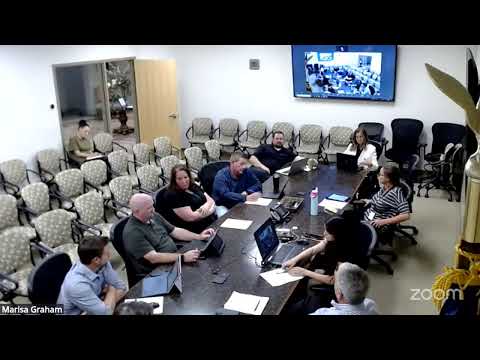
The Syracuse City Council reviewed Syracuse municipal code 9.15 and heard a departmental presentation on building permits from Brian Lemons, the city inspector. Lemons told the council the city enforces the adopted national codes and noted that routine permits contribute to public‑safety oversight.
Lemons cited recent inspection data: “We had a 156 total inspections, and out of that, 53 of them failed for safety reasons,” he said, adding that many failures occurred on work performed by licensed contractors who nonetheless submitted inspections that failed. He warned the council that removing permit requirements for items such as HVAC systems, water heaters and some electrical work could affect residents’ insurance and the city’s ISO rating because insurers and rating agencies sometimes look to permit and inspection regimes when they assess risk.
Several council members argued the city should avoid overly burdensome permitting for small, routine replacements. One councilmember proposed excluding HVAC and water‑heater replacements from permit requirements for like‑for‑like replacements. Lemons and other staff cautioned that the national building code requirement exists to provide a defensible, standard practice and that reducing inspections could raise the city’s exposure and complicate insurance claims.
After extended discussion of enforcement practicality and the limits of staff resources, the council reached a policy outcome: the majority favored retaining the national code standards as the city’s baseline and declined to change the code language at this time. Council members asked staff to continue public education about permit requirements and to pursue improvements in contractor permitting practices and inspection follow‑up.
Ending: Council directed staff to continue outreach and education about permit rules and to return with any administrative changes needed to improve compliance and homeowner protections.