Get Full Government Meeting Transcripts, Videos, & Alerts Forever!
Get email alerts on the Minimum Wage topic
No spam. Unsubscribe anytime.
Portland council votes 5–4 to send amended $19‑by‑2028 minimum‑wage measure to November ballot
Summary
After hours of testimony from workers, business owners and nonprofit leaders, the council approved an amended citizens’ initiative timetable that raises the city minimum wage in stages and then ties it to inflation; opponents warned the change could strain nonprofits and fixed‑reimbursement providers.
The Portland City Council voted 5–4 on Aug. 25 to place an amended minimum‑wage measure on the November ballot, approving a revised schedule that ramps up the city minimum wage more slowly than the petitioners’ original proposal and then indexes it to inflation.
Under the version the council approved to appear before voters, the local minimum wage would increase to $16.75 in 2026, $17.75 in 2027, and $19.00 in 2028, after which it would be adjusted annually by the consumer price index. Council supporters said the change addresses housing‑cost pressures for Portland residents; opponents raised concerns about nonprofits, childcare providers and health‑care employers that rely on fixed state or federal reimbursement rates.
The measure under consideration was filed as Order 2392425, an order setting an election date on an amendment to Portland City Code chapter 33. Councilors debated the substance of the proposed schedule and fielded lengthy public comment from restaurant operators, childcare directors, medical and nonprofit administrators, union organizers and workers.
Nancy Walker of the Maine Center for Economic Policy urged the council not to adopt employer‑size exemptions and said a higher minimum was needed to help working families. In contrast, Quincy Hensel of the Portland Regional Chamber told the council the local increase would be “a 30% jump in labor costs” for some employers and urged caution because nonprofit and health‑care providers face cuts and fixed reimbursement rates.
Child‑care operators said the sector cannot simply raise prices because many families depend on subsidy rates set by the state. Tamara Gallagher, who runs a child‑care program in Portland, said a $20 minimum would force tuition increases that could push families to providers outside the city.
Health‑care representatives warned of fiscal strain. Brian Batson of MaineHealth said the system already faces tight operating margins and rising uncompensated-care burdens and estimated the local proposal would add tens of millions systemwide in labor costs if passed without accompanying reimbursement changes.
Supporters argued the staged increase is necessary. Councilor Regina Phillips, a co-sponsor of the amended schedule, and Councilor Sykes, who co-sponsored the amendment, described the compromise as setting the local minimum near 60% of the median wage for Portland and then protecting it with CPI indexing. Sykes said the ramp reaches an economic “sweet spot” that helps workers without producing major adverse labor‑market effects.
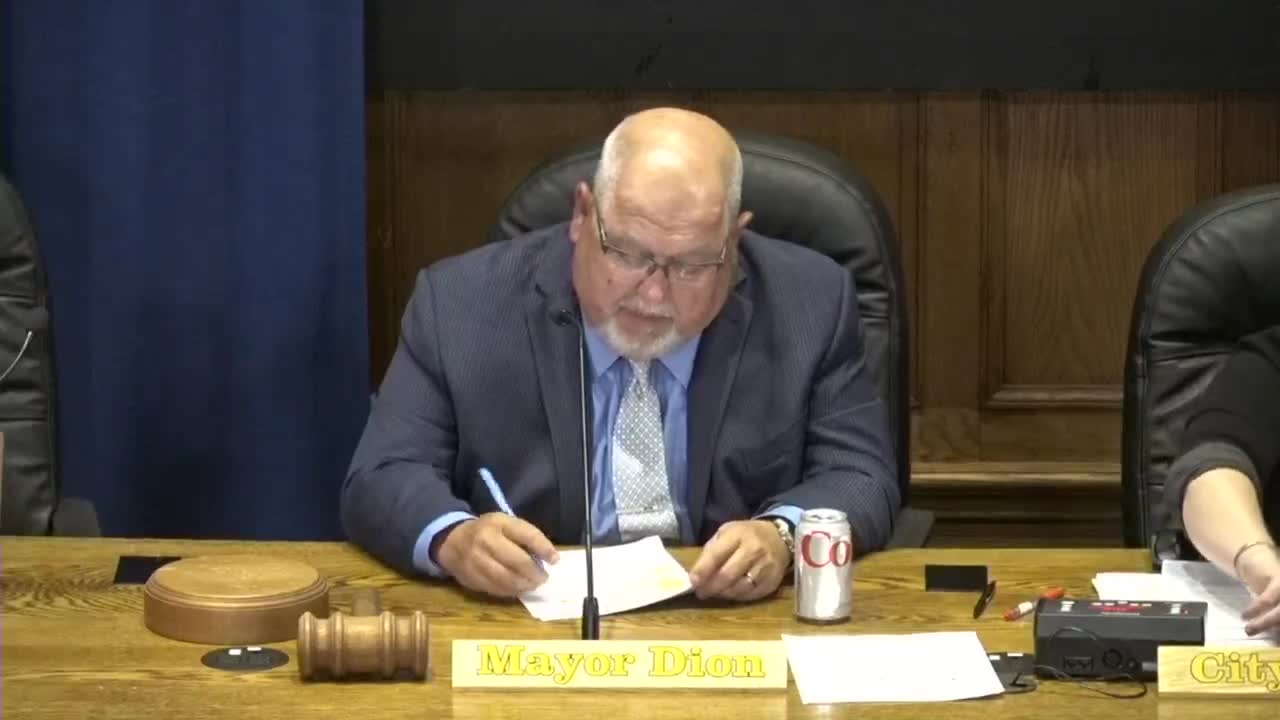
The final roll call on the amended order was: Councilor Fournier — yes; Councilor Grant — no; Councilor Sykes — yes; Councilor Ali — no; Councilor Pelletier — yes; Councilor Gavich — no; Councilor Bullitt — yes; Councilor Phillips — yes; Mayor Mark Dion — no. The motion passed 5–4.
Councilors discussed process and timing: staff noted that adopting the order as an emergency lets the city complete ballot printing and election preparations on the municipal schedule. Corporation counsel and councilors also noted there is an existing five‑year limitation on council changes to ordinances adopted by citizen initiative; council discussion addressed those charter and code provisions and how competing procedures would play out if the council sought to adopt an ordinance directly rather than place it on the ballot.
Next steps: the measure will appear on the municipal ballot in November as set by the order. If voters approve, the staged schedule will take effect per the timetable in the ordinance packet and indexing thereafter will match the CPI language the council approved. The council discussion made clear some members expect continued engagement with state officials and service providers about funding and implementation should the measure pass.
The vote reflected sharply divided views: supporters cited immediate cost‑of‑living pressures for renters and workers; opponents emphasized the risk to organizations that receive fixed reimbursement from state or federal programs and to small employers operating on thin margins.