Get Full Government Meeting Transcripts, Videos, & Alerts Forever!
Get email alerts on the Nuisance Abatement topic
No spam. Unsubscribe anytime.
Muskego finance committee weighs costs, court route for long-running nuisance properties
Summary
Committee members discussed using circuit court orders, contracting cleanups and possible closed-session briefings after repeated failures by some property owners to comply; city staff warned cleanups can cost thousands and recovery through tax liens may take years.
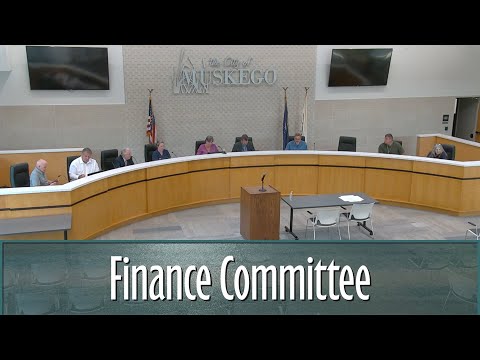
Muskego City Finance Committee members on July 22 discussed stepped-up use of circuit court orders and contracted cleanups to address several long-running nuisance properties that staff say have not responded to letters or fines.
Committee members and city legal staff described a pathway that uses a circuit court order to allow contracted crews to enter private property, remove debris and tow vehicles, then bill the property owner and, if unpaid, place the costs on the property tax roll. Staff said the process can take years to produce payment and can leave neighbors enduring blighted conditions while enforcement proceeds.
City attorney/prosecutor Jeff (last name not specified in the transcript) told the committee that the city has used the circuit court process after exhausting municipal remedies and that the cleanup contract for an example case cost about $10,000. He said invoices are billed to the property owner and, if unpaid, the amount is placed on the November tax bill and ultimately handled through tax lien and county foreclosure procedures if not paid. Jeff described the foreclosure timeline as typically set by statute at roughly three years but noted county backlogs often extend that timeline to four or five years.
Alderperson Wolf (first name not specified in the transcript) and other committee members emphasized the effect on neighboring property values, saying homes in the area sell for roughly $400,000–$600,000 and that nearby blight can depress values for adjacent owners. Committee members expressed concern that repeated cleanups at the same address could create an unbudgeted annual expense; staff estimated the work could cost an additional $5,000–$10,000 on repeat visits and suggested multiple problem properties could make this a six-figure annual line item.
Committee members agreed they want a firmer, faster process than the many-year path they described. They directed staff to prepare a closed-session briefing for the next meeting to explain enforcement steps, legal constraints and options in detail; staff said a standing circuit court order in one case allows the city to act without returning to court for each subsequent cleanup. No formal vote was recorded on policy changes; the record shows consensus to schedule a closed session and to continue using circuit court authority where appropriate.
City staff emphasized safety and logistics: contracted crews perform physical removal and the city typically provides police officers for safety during cleanups; towing charges are billed separately. Staff warned that although the city places liens and municipal judgments, recovery is uncertain and can be delayed for years. Several members said they would not wait multiple years to pursue circuit court remedies in future cases.
The committee discussed options for limiting city financial exposure, including setting annual spending caps for contracted cleanups or bringing each high-cost case to the finance committee for specific authorization. No specific cap or budget line was adopted at the meeting.
Committee members also debated whether parts of future discussions should be held in closed session because detailed public discussion of tactics could reveal enforcement steps to property owners. Staff and members agreed to prepare a closed-session briefing at the next meeting covering case timelines, legal steps and cost implications.
Ending: The committee closed the agenda item by scheduling the closed-session briefing for its next meeting and confirming continued use of circuit-court authority on cases where municipal remedies have been exhausted. No ordinance change or budget appropriation was adopted at this meeting.